
Thailand · PromptPay · THB · Updated 2026-10-28
How to Buy Bitcoin in Thailand with PromptPay
PromptPay turns a phone number into a bank account, which makes THB transfers instant and free. Licensed Thai exchanges accept it directly; on global exchanges you use PromptPay through a P2P merchant. The second route is fine for small amounts, but the merchant step needs care.
Reviewed by the BlokWiki Research Desk · Educational content
- Licensed local exchanges take PromptPay directly; global ones use P2P.
- THB 300–500 is enough for a first test order.
- Check the merchant completion rate before every trade, not just the first one.
Compare exchanges
The exchanges below accept local-currency deposits. The first has the deepest liquidity and is easiest for a first purchase.
 Binance
Spot fee 0.10%
Min THB 100
Open account →
2
 OKX
Spot fee 0.08%
Min THB 100
Open account →
3
 Gate.io
Spot fee 0.20%
Min THB 200
Open account →
4
 HTX
Spot fee 0.20%
Min THB 200
Open account →
Referral links — the fee shown is the standard fee, not a markup. Actual rates follow the exchange page.
Step by step
-
1
Open the account
Register with your email, enable two-factor authentication, and use the referral link on this page so the fee discount is applied from the first trade.
-
2
Verify your identity
Use a Thai national ID or passport and complete the liveness selfie. The name must match the bank account behind your PromptPay number.
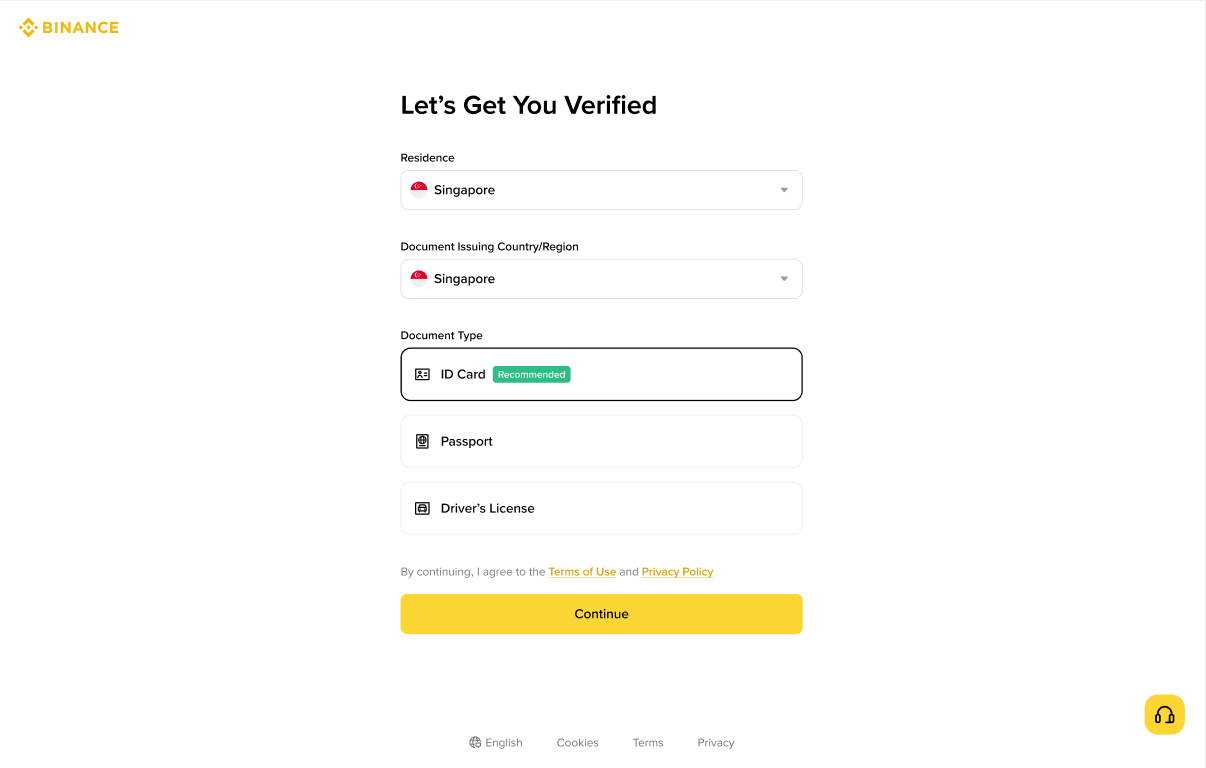
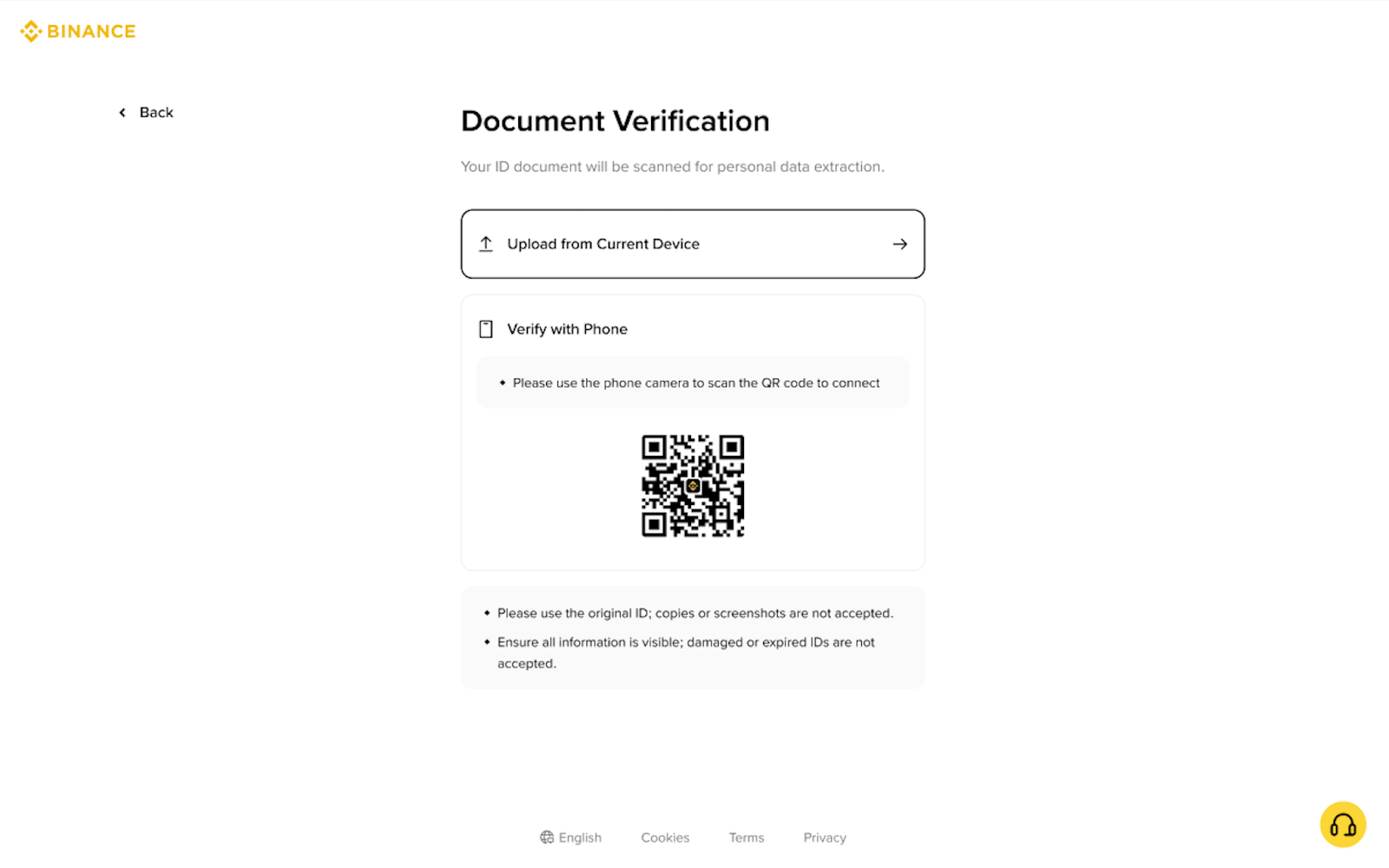
Interface illustration · Source: Binance Help Center -
3
Buy USDT with PromptPay
In P2P, filter THB and PromptPay, pick a verified merchant, scan the QR and pay the exact amount. Mark the order as paid and wait for confirmation before releasing anything.
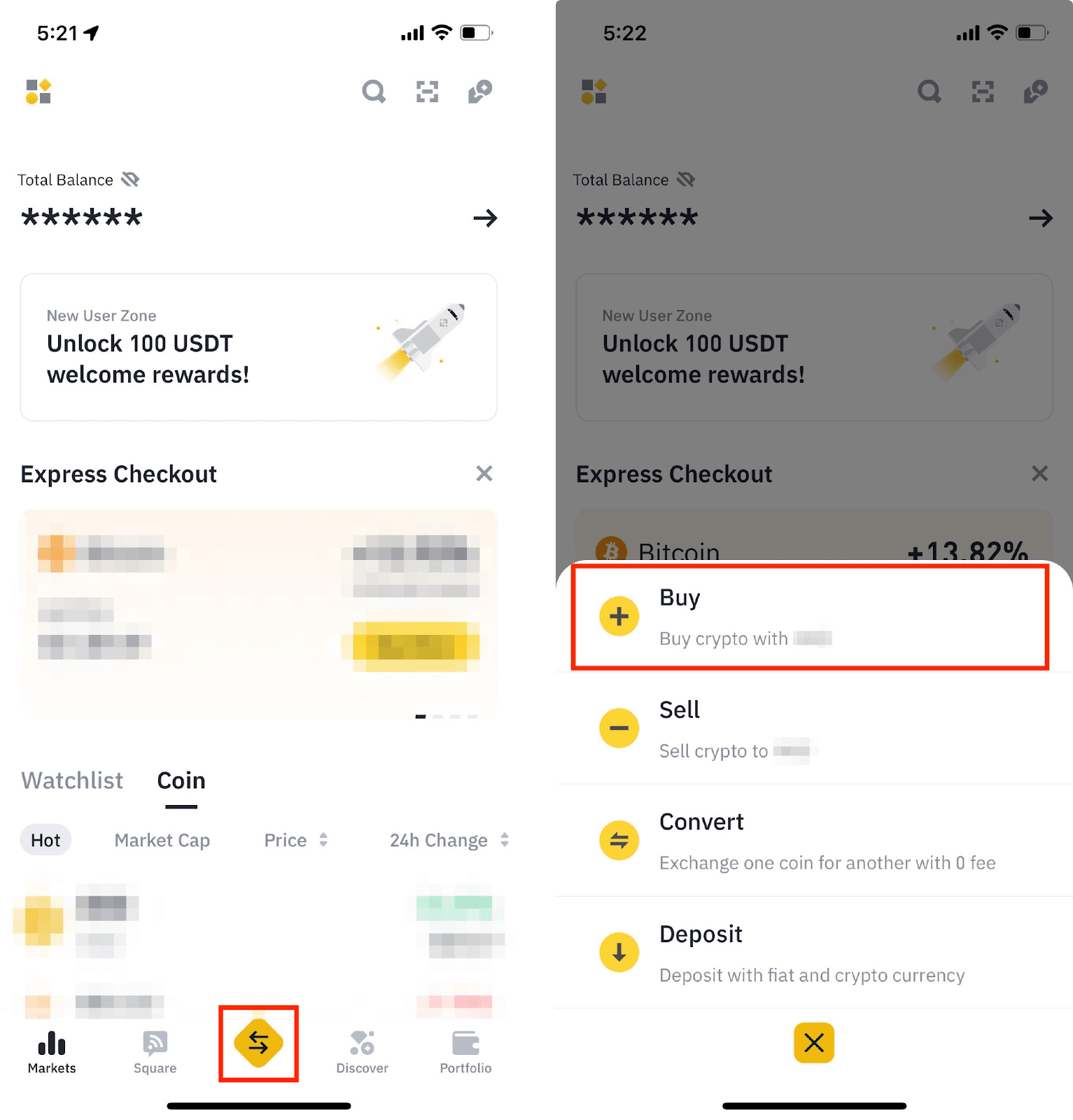
Interface illustration · Source: Binance Help Center -
4
Convert to Bitcoin
Place a spot market order for BTC/USDT. Avoid converting through several pairs on the first purchase.
-
5
Withdraw to self-custody
Move long-term holdings off the exchange. Always send a test amount first.
What else you can buy
The account and funding steps are identical — just change the coin in the last step.


Payment methods and limits
Swipe the table sideways to see all columns
| Method | Speed | Cost | Minimum | Notes |
|---|---|---|---|---|
| PromptPay | Instant | 0% exchange fee; merchant spread 0.5–1.5% | THB 100 | Scan the QR in P2P |
| TrueMoney Wallet | Instant | 0% exchange fee; merchant spread 0.5–2% | THB 100 | Fewer merchants |
| Bank transfer | Minutes | 0% | THB 100 | Fallback |
Fees at a glance
Swipe the table sideways to see all columns
Fees and rules checked on 2026-10-28 · Sources: Binance fee scheduleOKX feesGate.io feesHTX fees · SEC Thailand
KYC checklist
- Thai national ID or passport, all corners visible, no glare.
- Selfie with liveness check; remove glasses and hats.
- Name must match the bank account linked to PromptPay.
- Address in the app should match your ID or residence permit.
- Rejected once? Wait a day; repeated submissions can freeze the account.
P2P safety checklist
- Pay only the account shown on the order page. Anyone asking you to switch accounts is scamming you.
- Never cancel an order after paying — cancelling removes platform arbitration protection.
- Do not move the trade to WhatsApp or Telegram; keep every message and receipt inside the order.
- A payment screenshot is not proof of arrival. Confirm the balance in your own bank or wallet app.
Frequently asked questions
Can I use PromptPay on a global exchange?
Not as a direct deposit. Global exchanges settle THB through P2P merchants who accept PromptPay. Licensed Thai exchanges support it directly.
Is crypto legal in Thailand?
Digital asset businesses are licensed by the SEC, and trading through licensed platforms is legal. P2P is widely used but carries counterparty risk.
What about tax?
Gains may be subject to withholding and personal income tax depending on how you trade. Keep records and confirm the current treatment with the Revenue Department or an accountant.
Other markets
Local regulated platforms (neutral)
Local licensed platforms are listed for reference only. No referral links.
Crypto assets are volatile and trading can result in the loss of your capital. P2P payments are irreversible; verify the merchant before paying. This page is educational and is not investment advice.
Regulation and tax rules change — verify the current requirements locally before trading.