
Nigeria · Bank transfer · NGN · Updated 2026-10-28
How to Buy Bitcoin in Nigeria with a Bank Transfer
NGN bank transfers through P2P are the standard way Nigerians buy crypto. The transfer itself takes seconds; the risk sits entirely with the merchant. Most beginner losses come from releasing crypto before the payment clears, or from trading outside the order chat.
Reviewed by the BlokWiki Research Desk · Educational content
- Use only merchants with a verified badge and a 98%+ completion rate.
- Keep the first order at NGN 5,000–10,000.
- Never move a P2P conversation to WhatsApp or Telegram.
Compare exchanges
The exchanges below accept local-currency deposits. The first has the deepest liquidity and is easiest for a first purchase.
 Binance
Spot fee 0.10%
Min NGN 5,000
Open account →
2
 OKX
Spot fee 0.08%
Min NGN 5,000
Open account →
3
 Gate.io
Spot fee 0.20%
Min NGN 10,000
Open account →
4
 HTX
Spot fee 0.20%
Min NGN 10,000
Open account →
Referral links — the fee shown is the standard fee, not a markup. Actual rates follow the exchange page.
Step by step
-
1
Open the account
Register with your email, enable two-factor authentication, and use the referral link on this page so the fee discount starts with your first trade.
-
2
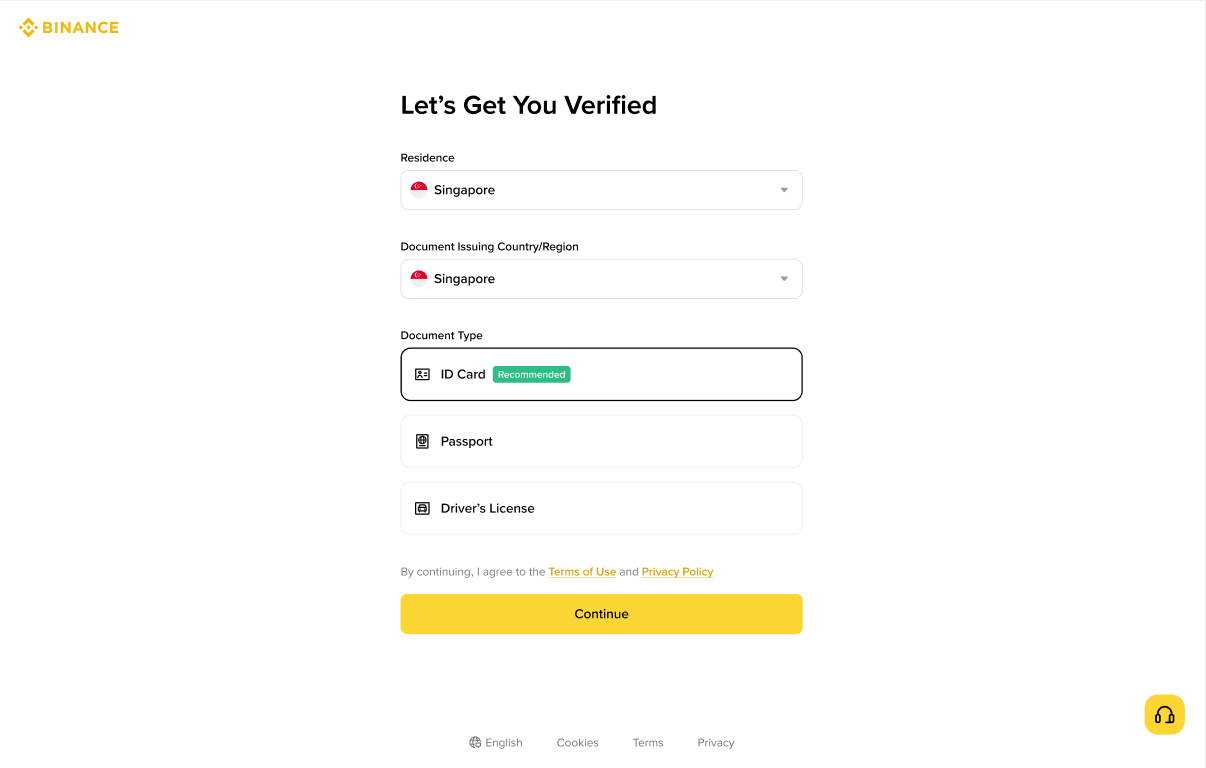
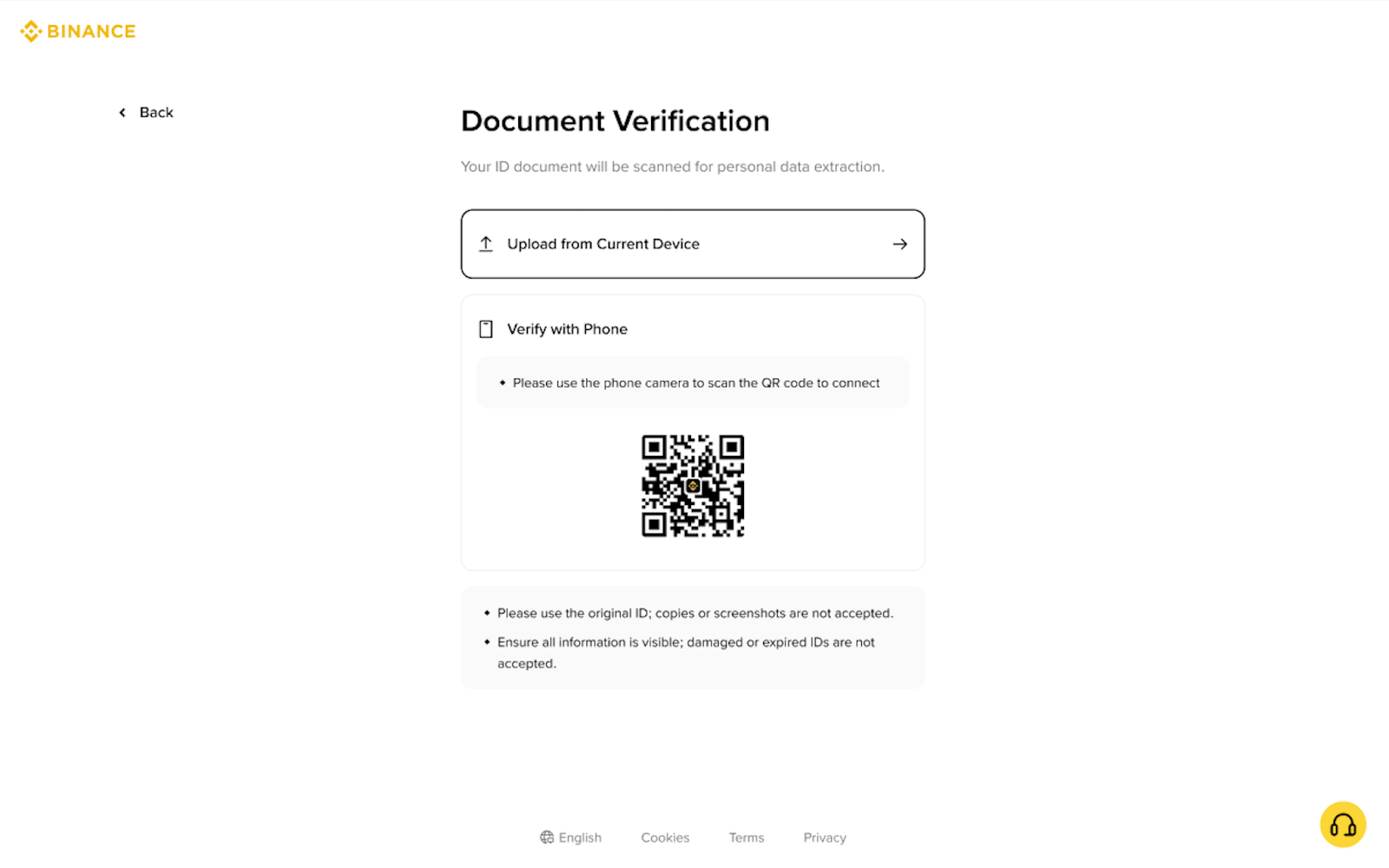
Verify with BVN or NIN
Nigerian users verify with a BVN or NIN plus a government ID and a selfie. The name must match the bank account you will pay from.
Interface illustration · Source: Binance Help Center -
3
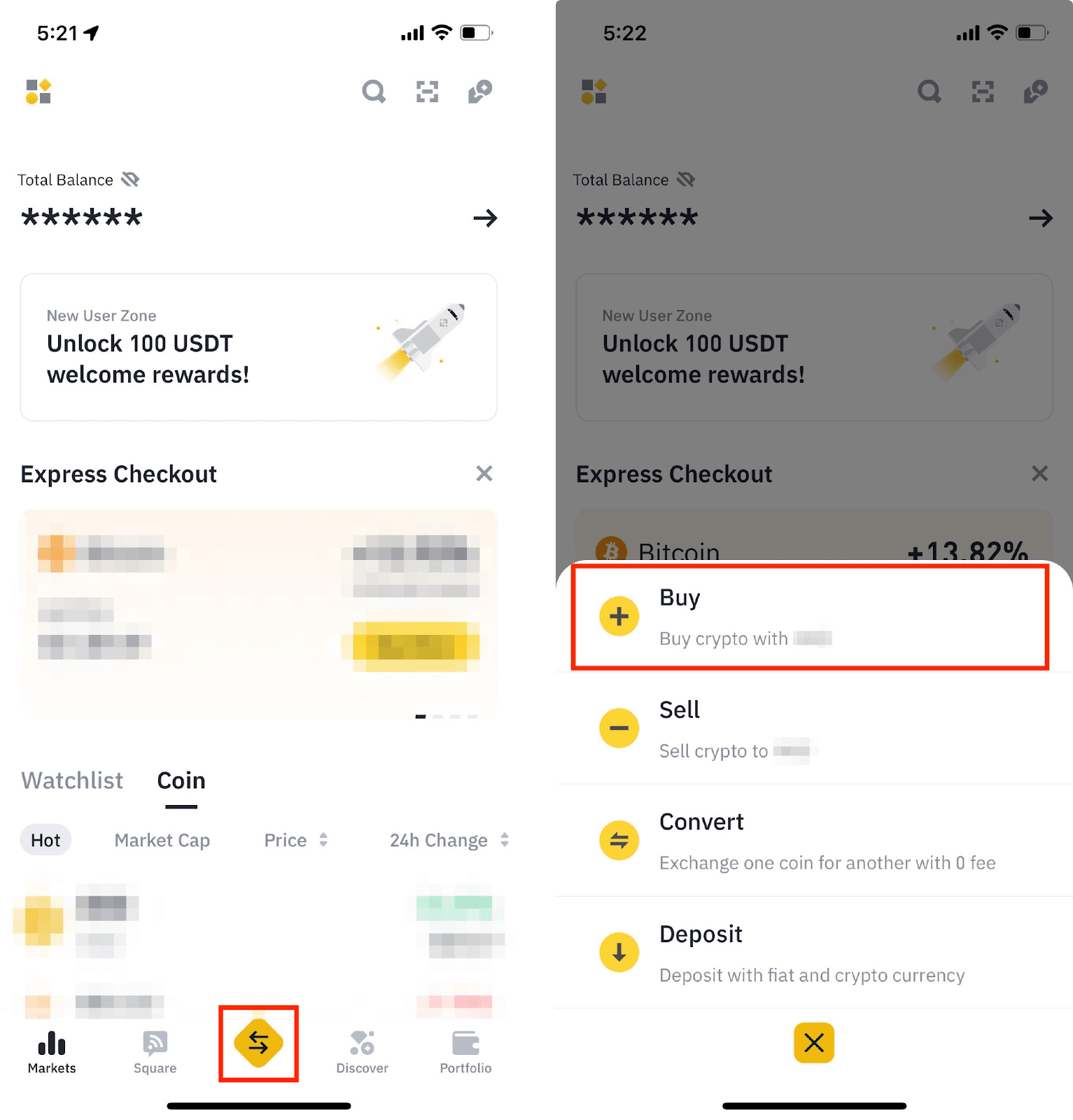
Buy USDT from an NGN merchant
Filter P2P by NGN and bank transfer, choose a merchant with a long history, transfer the exact amount from your banking app, then mark the order as paid.
Interface illustration · Source: Binance Help Center -
4
Convert to Bitcoin
Place a spot market order for BTC/USDT. For small amounts the spread is negligible.
-
5
Withdraw to self-custody
For long-term holding, withdraw to a wallet you control and test with a small amount first.
What else you can buy
The account and funding steps are identical — just change the coin in the last step.


Payment methods and limits
Swipe the table sideways to see all columns
| Method | Speed | Cost | Minimum | Notes |
|---|---|---|---|---|
| Bank transfer (GTBank, Access, Zenith) | Instant | 0% exchange fee; merchant spread 1–2% | NGN 5,000 | Most merchants |
| Opay / PalmPay / Kuda | Instant | 0% exchange fee; merchant spread 1–2% | NGN 5,000 | Fast, widely accepted |
| USSD transfer | Instant | Bank charges may apply | NGN 5,000 | Use only if app transfer fails |
Fees at a glance
Swipe the table sideways to see all columns
Fees and rules checked on 2026-10-28 · Sources: Binance fee scheduleOKX feesGate.io feesHTX fees · SEC Nigeria
KYC checklist
- BVN or NIN number, matching the name on your bank account.
- Government ID: driver licence, passport or voter card.
- Selfie with liveness check in a well-lit room.
- The bank account used for P2P must be in your own name.
- Never buy a pre-verified account — it will be frozen at withdrawal.
P2P safety checklist
- Pay only the account shown on the order page. Anyone asking you to switch accounts is scamming you.
- Never cancel an order after paying — cancelling removes platform arbitration protection.
- Do not move the trade to WhatsApp or Telegram; keep every message and receipt inside the order.
- A payment screenshot is not proof of arrival. Confirm the balance in your own bank or wallet app.
Frequently asked questions
Is crypto legal in Nigeria?
Digital assets are regulated by the SEC, and banks are restricted from servicing crypto directly, which is why P2P dominates. Rules continue to change, so check the latest guidance.
Why do merchants ask for a selfie or receipt?
They match your payment reference. Send the receipt inside the order chat only, and never share your banking password or OTP.
Do I pay tax on crypto gains?
Capital gains on digital assets are taxable and should be declared. Keep buy and sell records and confirm the current rate with a tax adviser.
Other markets
Local regulated platforms (neutral)
Local licensed platforms are listed for reference only. No referral links.
Crypto assets are volatile and trading can result in the loss of your capital. P2P transfers are irreversible — verify the merchant before paying. This page is educational and is not investment advice.
Regulation and tax rules change — verify the current requirements locally before trading.