Futu Opens BNB Deposits; CZ Amplifies HK Push
On 23 October 2026, Futu Securities International (Hong Kong) opened BNB deposits and withdrawals for Hong Kong qualified professional investors, via …
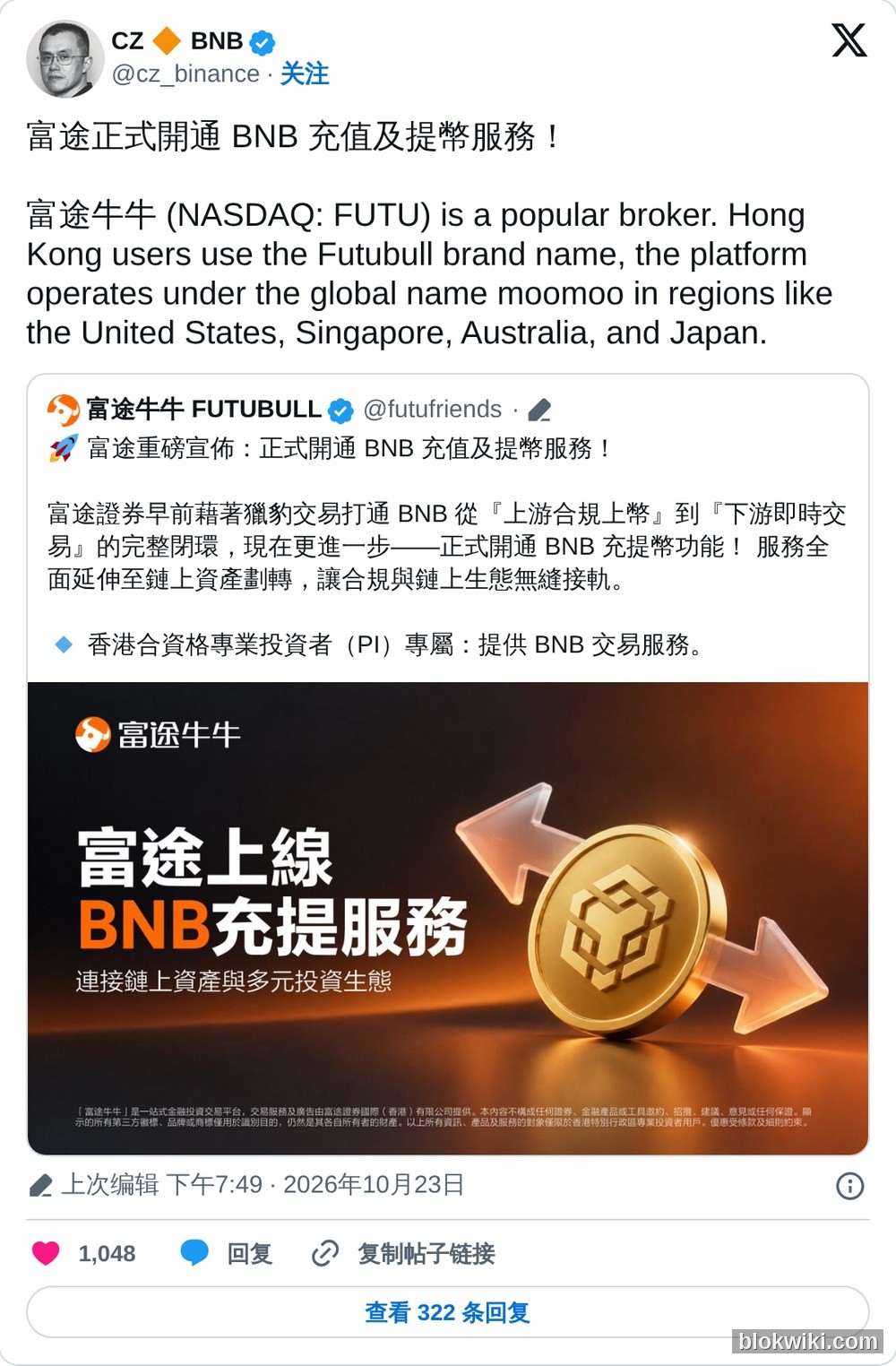
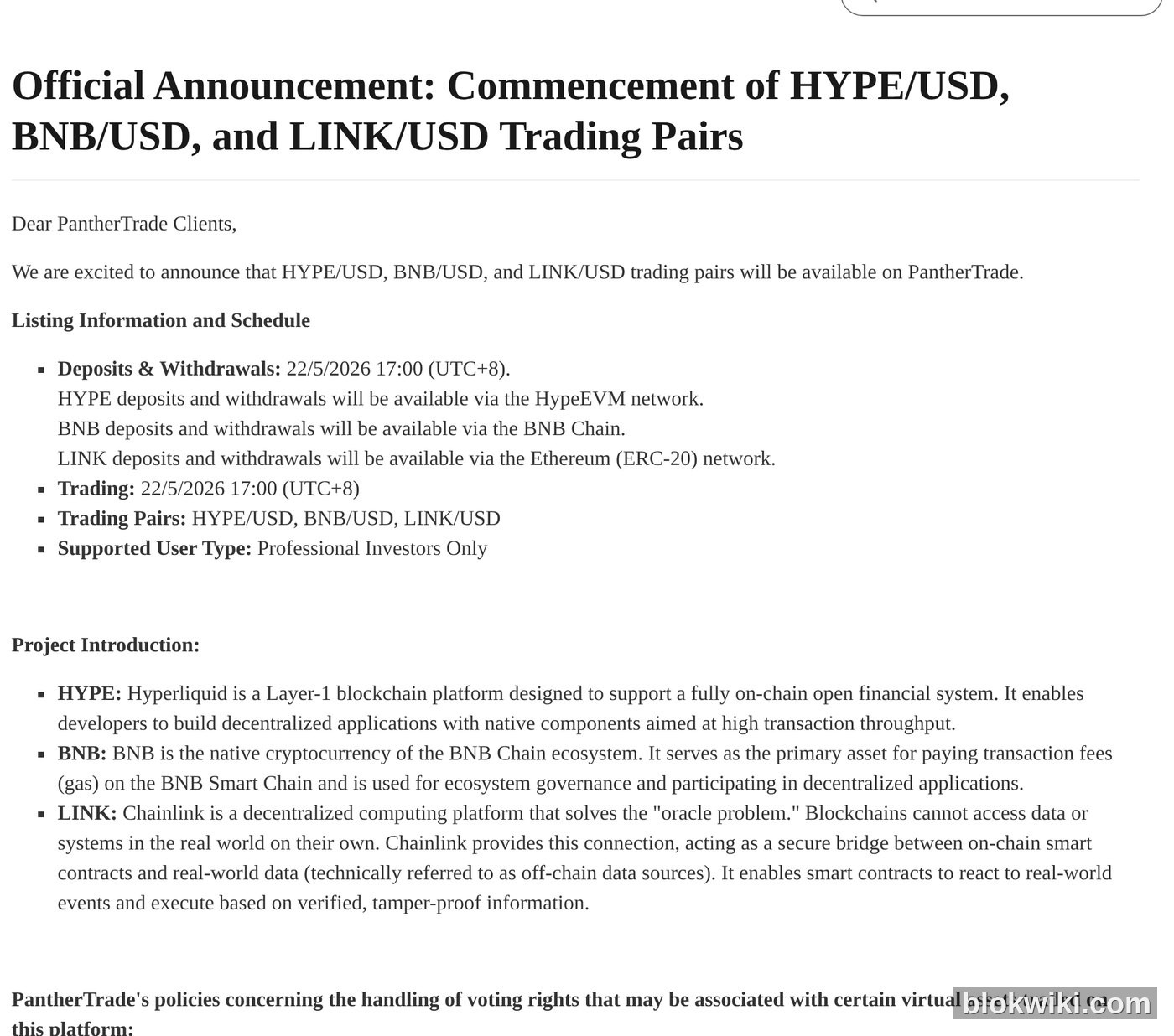
At 19:49 Hong Kong time on 23 October, Binance founder Changpeng Zhao (CZ) quote-posted a Futu announcement on his personal X account: "Futu has officially opened BNB deposits and withdrawals." Hours earlier, Futu Securities International (Hong Kong) had added BNB to the crypto fee schedule on its website alongside BTC, ETH, SOL, USDT and USDC: deposits free, withdrawals 0.000055 BNB, network listed as BNB Smart Chain.
The post is easy to misread as "Futu now supports BNB trading." Trading was already there. What is new is on-chain funding: BNB can now move from an external self-custody wallet into a licensed brokerage account, and back out again. For a broker that has just begun a one-way exit from mainland China, the symbolic weight is arguably larger than the feature itself. The same company now allows existing mainland clients only to sell and withdraw, while in Hong Kong it connects a licensed account to the BNB chain.
The boundaries matter: the service is for Hong Kong qualified professional investors (PIs) only. It is not open to retail clients, and it is not available to mainland users. It is not a new BNB trading pair; it adds deposit and withdrawal rails to an existing market.
1. What exactly launched
According to Futu's official statement and its help-centre fee page, the service works as follows:
- Who can use it: Hong Kong qualified professional investors (PIs). Retail clients are excluded.
- Network: BNB Smart Chain (BEP20), a single rail.
- Deposits: from a self-custody wallet into a Futu crypto account, free of charge until further notice.
- Withdrawals: only to pre-verified whitelisted addresses, at 0.000055 BNB; the return fee is the same.
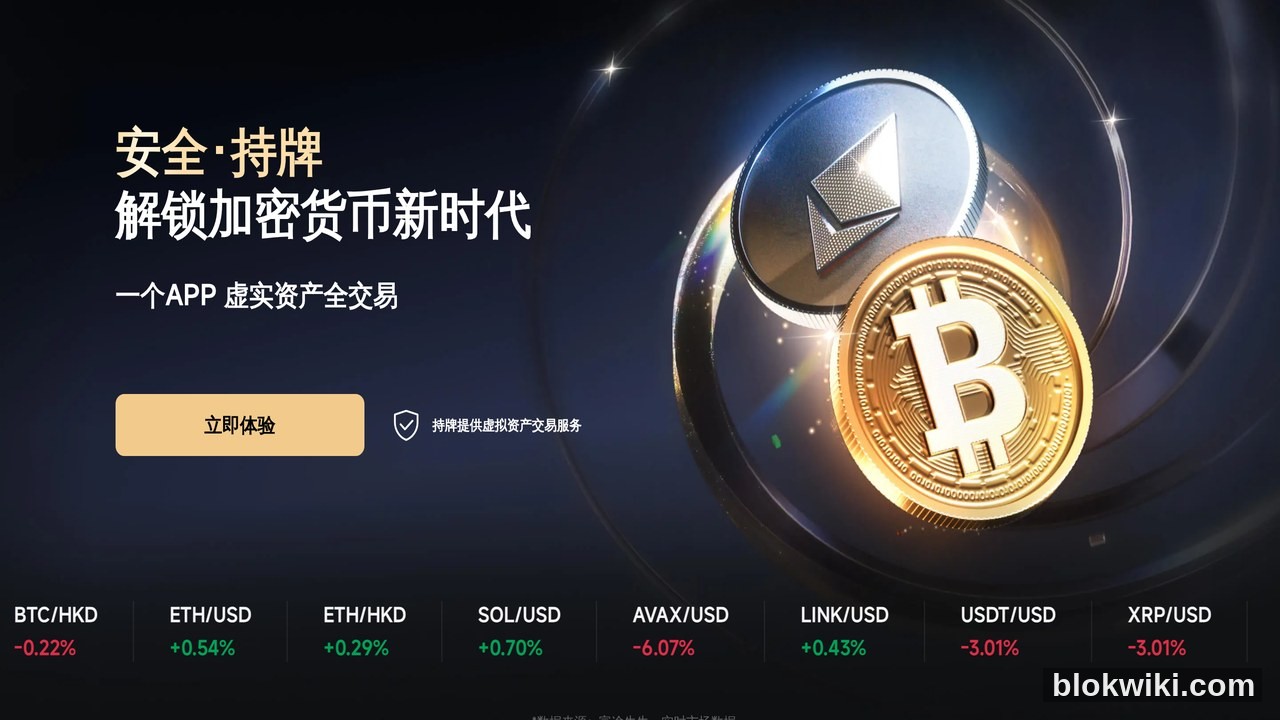
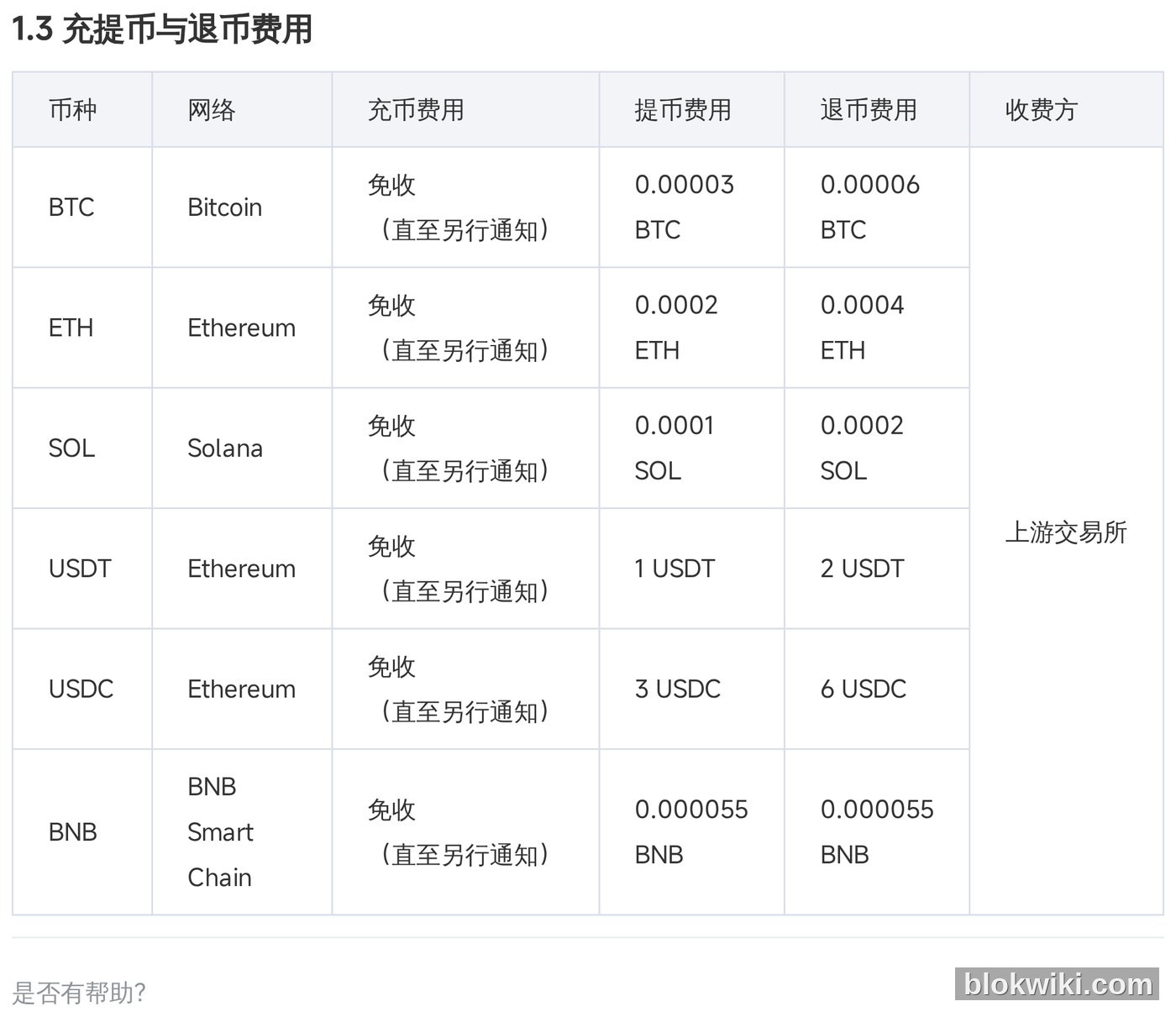
- Trading venue: BNB/USD is already listed on PantherTrade, the SFC-licensed platform wholly owned by Futu Holdings. Futu Securities has offered BNB order-book trading since July.
The official Futu post put it this way (translated from Traditional Chinese): "Futu Securities earlier used PantherTrade to complete the full loop for BNB, from compliant upstream listing to downstream real-time trading. Now it goes further, officially opening BNB deposits and withdrawals, extending the service to on-chain asset transfers."
That sentence describes the sequence clearly: list BNB on the licensed exchange, enable order-book trading, then connect the brokerage account to on-chain transfers. Previously, clients could buy and sell BNB at Futu, but the funding came mainly from fiat or other assets already on the platform. Now external BNB can be moved in directly, and after a sale it does not have to stay on the platform — it can be withdrawn to self-custody.
2. Two timelines: mainland exit and Hong Kong on-chain
Placed side by side, Futu's moves read as two timelines running in parallel.
| Date | Mainland business | Hong Kong virtual assets |
|---|---|---|
| 31 Dec 2022 | Stops opening new accounts for mainland investors | — |
| 19 May 2023 | Futubull removed from mainland app stores; website stops serving mainland users | — |
| Mar 2026 | — | PantherTrade begins full licensed operations and connects to Futu Securities |
| 22 May 2026 | China's CSRC announces an eight-department two-year rectification plan; disgorgement and fines proposed | PantherTrade lists HYPE/USD, BNB/USD and LINK/USD for PIs only |
| 12 Jun 2026 | Futu, Tiger and Longbridge begin sell-only, withdraw-only handling of existing mainland clients | — |
| Jul 2026 | — | Futu becomes Hong Kong's first licensed broker to offer compliant BNB order-book trading to PIs |
| 23 Oct 2026 | Existing business remains inside the two-year wind-down | Futu Securities opens BNB deposits and withdrawals |
The two tracks do not contradict each other. On the mainland, the theme is exit: no new accounts since the end of 2022, the app delisted in 2023, a two-year rectification period set in May 2026, and from 12 June only sell and withdrawal orders permitted for existing clients. Once the rectification period ends, offshore institutions are required to shut down their mainland websites, trading software and supporting servers.
In Hong Kong, the theme is integration: a licensed exchange, order-book trading and now on-chain transfers. Futu is stitching a securities account and a virtual-asset account into one relationship — what management calls "stocks and coins in one."
3. Why CZ amplified it
CZ's post went out at 19:49 on 23 October. It was short: one line confirming that Futu had opened BNB deposits and withdrawals, plus a description of Futubull (NASDAQ: FUTU) — the brand Hong Kong users know, while the US, Singapore, Australia and Japan use moomoo. By the time of our screenshot, the post had 1,038 likes and 322 replies.
It is worth stressing what this is not. It is a personal account quote-posting a Futu announcement, not a joint Binance-Futu statement. Neither company announced a partnership, and Futu's BNB trading and custody do not run through Binance. Reading it as "Binance is investing in Futu" or "BNB is coming to all of Futu" goes beyond the facts.
It is still a meaningful signal. BNB has long been seen as an exchange-ecosystem token whose demand is tied to Binance. When a licensed Hong Kong broker adds BNB to its deposit, withdrawal and trading list, BNB holders gain a regulated on- and off-ramp. CZ's amplification lends credibility to that "compliant access" story — even though what he is endorsing is Futu's execution, not Binance's business.
4. Why BNB, and why now
The commercial logic is not hard to follow.
Futu's second-quarter 2026 results showed total revenue of HK$7.20 billion, up 35.6% year on year; non-GAAP net profit of HK$3.725 billion, up 40.1%; 3.84 million funded clients, up 34%; client assets of about HK$1.4 trillion, up 43.6%; and quarterly trading volume of HK$6.42 trillion, up 78.8%. The mainland business is shrinking, but Hong Kong and overseas operations are carrying the franchise.
Virtual assets are among the fastest-growing and most differentiated parts of that franchise. Futu's fee schedule shows a platform fee of 0.08% of traded value. Commissions are tiered by monthly volume: USDT and BNB cost 0.16% below US$500,000, while other tokens cost 0.08%; from US$500,000 to US$8 million the rates fall to 0.08% and 0.04% respectively; above US$8 million, commission is zero. Grouping BNB with USDT in the higher tier suggests Futu treats both as high-frequency, customer-acquisition assets rather than marginal listings.
The more important change is in-kind funding. Previously, a BNB holder who wanted to trade at Futu would typically sell BNB elsewhere, convert to fiat or a stablecoin, and then deposit. Now the BNB can be transferred straight into the Futu account, removing one conversion step. For Futu, that brings on-chain-native users into a licensed brokerage. For BNB, it adds a regulated entry and exit point in Hong Kong.
Why now? Because the plumbing is finally in place. PantherTrade is licensed and operating, the BNB/USD order book is live, and Futu Securities won approval in the second quarter of 2026 to offer virtual-asset trading financing. Deposits and withdrawals were the missing piece: without them, on-chain assets could not come in; with them, "stocks and coins in one" moves from a slogan to an operating account structure.
5. The overlooked half: the mainland exit is not over
Futu's BNB business cannot be separated from its mainland predicament.
On 22 May 2026, the China Securities Regulatory Commission announced a plan jointly issued by eight departments to clean up illegal cross-border securities, futures and fund operations, setting a two-year rectification period. During that period, offshore institutions may not provide buying, top-ups or other services to existing mainland investors; only one-way selling and withdrawal of funds are allowed. On 12 June, Futu, Tiger Brokers and Longbridge began applying the sell-only, withdraw-only rule.
The penalties are substantial. In its first-quarter 2026 results, Futu disclosed that the CSRC proposed to disgorge about RMB 470 million of illegal gains from its mainland business and impose a fine of about RMB 1.38 billion — roughly RMB 1.85 billion in total. The provision cut the quarter's non-GAAP net profit to HK$920 million; excluding the impact, it would have been HK$3.01 billion.
In other words, Futu did not walk away easily. It is shrinking its mainland book under regulatory pressure while betting its growth on overseas markets. That is precisely why the Hong Kong licensed virtual-asset build-out matters: it is one of the few businesses that can be both compliant and capable of absorbing demand spilling out of the mainland.
For mainland investors, the boundary is equally clear. Futu's BNB deposits and withdrawals do not serve mainland users, and PantherTrade explicitly does not offer virtual-asset trading to mainland clients. The legal routes for overseas investment remain Stock Connect, QDII and Cross-boundary Wealth Management Connect — not opening an account through an offshore broker's app.
6. Limits and risks
Reading "BNB deposits and withdrawals" as "everyone can use it" is the most common mistake. There are at least five layers of restriction:
- Investor status: Hong Kong qualified professional investors only. Under the Securities and Futures Ordinance, an individual PI generally needs a portfolio of at least HK$8 million. Retail clients are not included.
- Geography: not open to mainland users. Both Futu's and PantherTrade's compliance frameworks exclude mainland business.
- Single network: only BNB Smart Chain (BEP20). A wrong-chain or wrong-address transfer may be unrecoverable.
- Whitelisted withdrawals: funds can only go to pre-verified addresses. That is safer but less flexible; changing wallets requires a whitelist update and a waiting period.
- Custody and counterparty risk: the fee page names the upstream exchange as the charging party, and client assets are held in trust as required by regulation. That is not deposit insurance. Platform, custodian and smart-contract risks remain yours.
One point deserves emphasis: as of publication, Futu has not disclosed whether BNB can be used as collateral, for financing or as margin. Deposits and withdrawals only solve movement in and out; they do not change what BNB can do inside the account. Treating "can deposit" as "can lever up" has no basis in the announcement.
Regulatory risk also cuts both ways. The SFC licenses virtual-asset trading platforms, and the tokens available to professional investors are subject to platform admission rules. Any tightening or loosening of policy would change the boundaries of this service.
7. What to watch next
- Retail access: currently PI-only. Only if Hong Kong regulators allow retail access to more tokens could Futu's BNB business shift from a high-net-worth tool to a mass product.
- More tokens and networks: will Futu add more BEP20 assets, or additional chains? That determines whether this is a single feature or a broader on-chain gateway.
- PantherTrade volumes: deposits and withdrawals are plumbing; revenue comes from trading and custody. Futu's next quarterly disclosure on virtual-asset volumes would be the first real test.
- The end of the mainland wind-down: once the two-year rectification period expires, mainland websites, apps and servers must shut down. How smoothly Futu offboards existing clients is another marker.
- BNB's compliance narrative: CZ's post buys attention, but long-term demand depends on how many licensed institutions are willing to put BNB on their balance sheets and trading lists.
FAQ
Can mainland users use Futu's BNB deposits and withdrawals?
No. The service is limited to Hong Kong qualified professional investors, and neither Futu nor PantherTrade offers it to mainland clients. Mainland investors should use legal channels such as Stock Connect, QDII and Cross-boundary Wealth Management Connect.
Can ordinary Hong Kong retail clients use it?
Not at present. BNB-related services are restricted to PIs. The tokens and products available to retail clients depend on the current scope published by Futu and the regulators.
Does CZ's post mean Binance and Futu are partnering?
There is no evidence for that. CZ quote-posted Futu's announcement from his personal X account, and neither side announced a partnership. Futu's BNB trading and custody are handled by licensed venues such as PantherTrade, not by Binance.
What is the difference between "deposits and withdrawals" and "BNB trading"?
Trading lets you buy and sell inside the platform; deposits and withdrawals let you move on-chain assets in and out. Futu's BNB trading launched in July. This week's change adds transfers to and from self-custody wallets.
Return to the post that started this. It is worth writing about not because of CZ's reach, but because it puts a larger question on the table: when a broker goes through a mainland exit and a Hong Kong on-chain build-out at the same time, can it turn compliance into a product capability rather than a press release? BNB deposits and withdrawals are only the first step. The answer will show up in next quarter's volumes, client assets and regulatory feedback.
Risk notice and affiliate disclosure: Crypto assets are highly volatile and you may lose all of your capital. This article is a summary of public information and news analysis, not investment advice or a recommendation of any platform, token or service. Fees, dates and regulatory details reflect Futu's website, PantherTrade announcements, Futu's financial results and CSRC/Xinhua reporting as of 23 October 2026, and may change. This article may contain affiliate links; we may earn a commission if you register through them, at no extra cost to you, and it does not affect our conclusions.