
The bank's knife finally fell on the interest of stablecoins
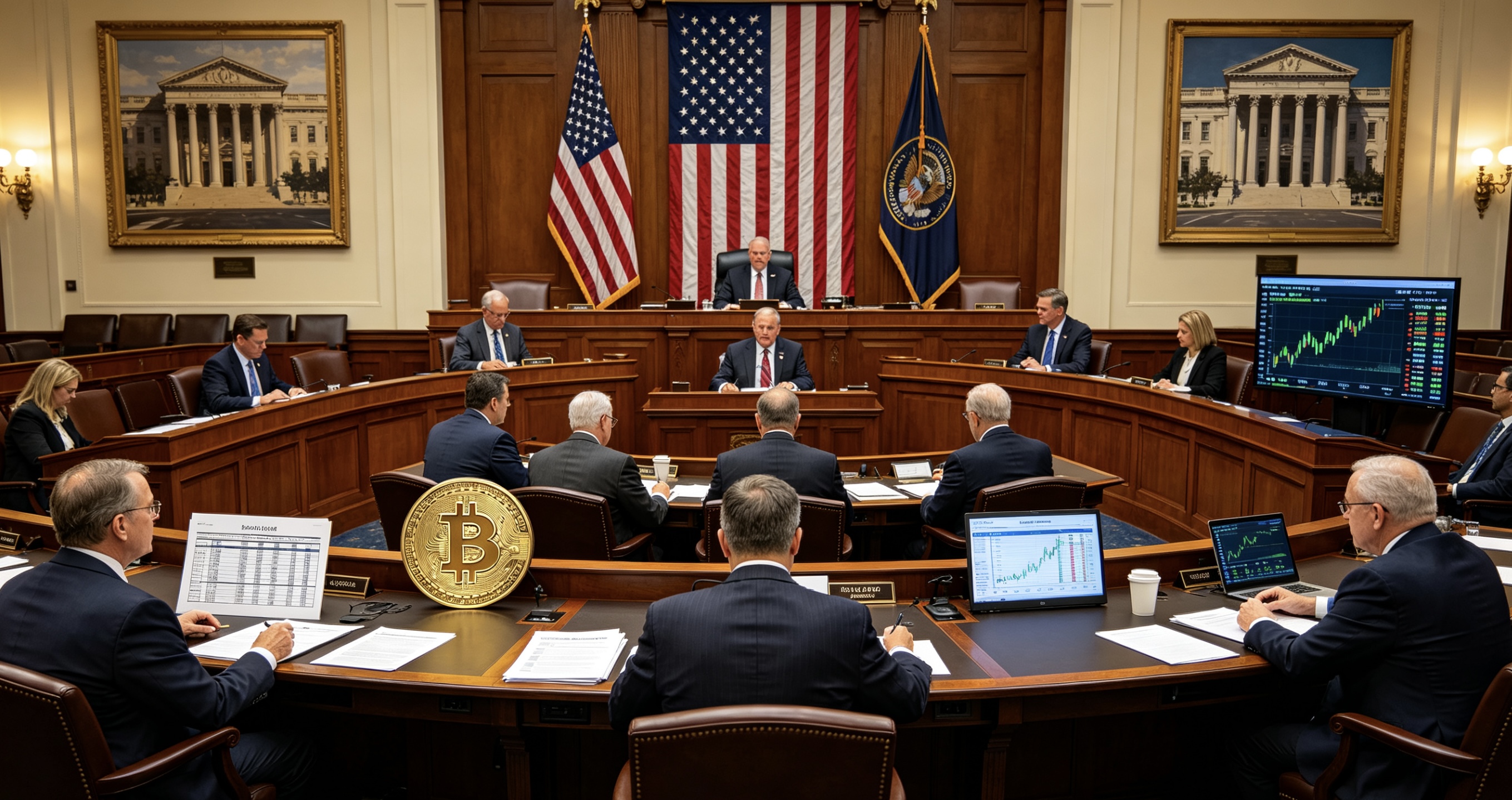
This article focuses on the regulatory provisions of the latest version of the U.S. Senate's Clarity Act. The bill is expected to enter the formal rev…
It is not a comprehensive strangulation, but a precise blocking of positions.
The stablecoins move first, and the rules are on the way.
The latest version of the U.S. Senate's "Clarity Act's stablecoin compromise clauses directly drew a clear line between life and death between banks and encryption:
the first knife: completely blocks the road" to profit".
Any passive income that is" economically or functionally equivalent to bank deposit interest" is completely prohibited.
Can you earn interest by leaving the stablecoin still? This road was completely welded by the bank.
Second knife:"" The reward right to
retain use is based on incentives for real transactions, payments, and platform participation, and is completely legal.
Trading cash back, payment of rewards, and ecological contribution dividends, none of these encrypted and native gameplay methods have been moved.
To put it bluntly-you
are not allowed to be a bank, but you are allowed to make products.
You are not allowed to absorb savings, but you are allowed to attract customers.
This is not a regulatory whim, but a carefully designed division of interests:
·The core territory of banks (deposit business) must not be touched by encryption
·The native advantages of encryption (payment and ecology), and banks cannot seize the
time point is close at hand:
The Senate Banking Committee is expected to advance the bill's markup on May 11.
The Polymarket forecast market shows that the probability of passing the Clarity Act in 2026 has been raised by the market to 62%.
This is not empty talk, it is a real legislative process.
So stop saying that" banks are afraid of encryption" is too emotional.
A more accurate statement is:
👉 Banks are not afraid of encryption, and banks are afraid of encryption becoming another bank.
Here comes the question:
If stablecoins cannot make profits on their own,
will those trillions of dollars that have come in for a risk-free return of 4%-5%
choose to leave the market and return to the bank?
Or are you being forced to chase higher-risk BTC, ETH and altcoins?
Once this rule is implemented,
what changes is never the income method,
but the logic of capital flow in the entire crypto market.
Do you think this is protecting the market or
paving the way for the next round of major reshuffle?
#Trump says Iran conflict is over $BTC $ETH $CL