BlackRock Bitcoin Downside-Protection ETF Filing (Oct 2026): What IBIT Protect Means
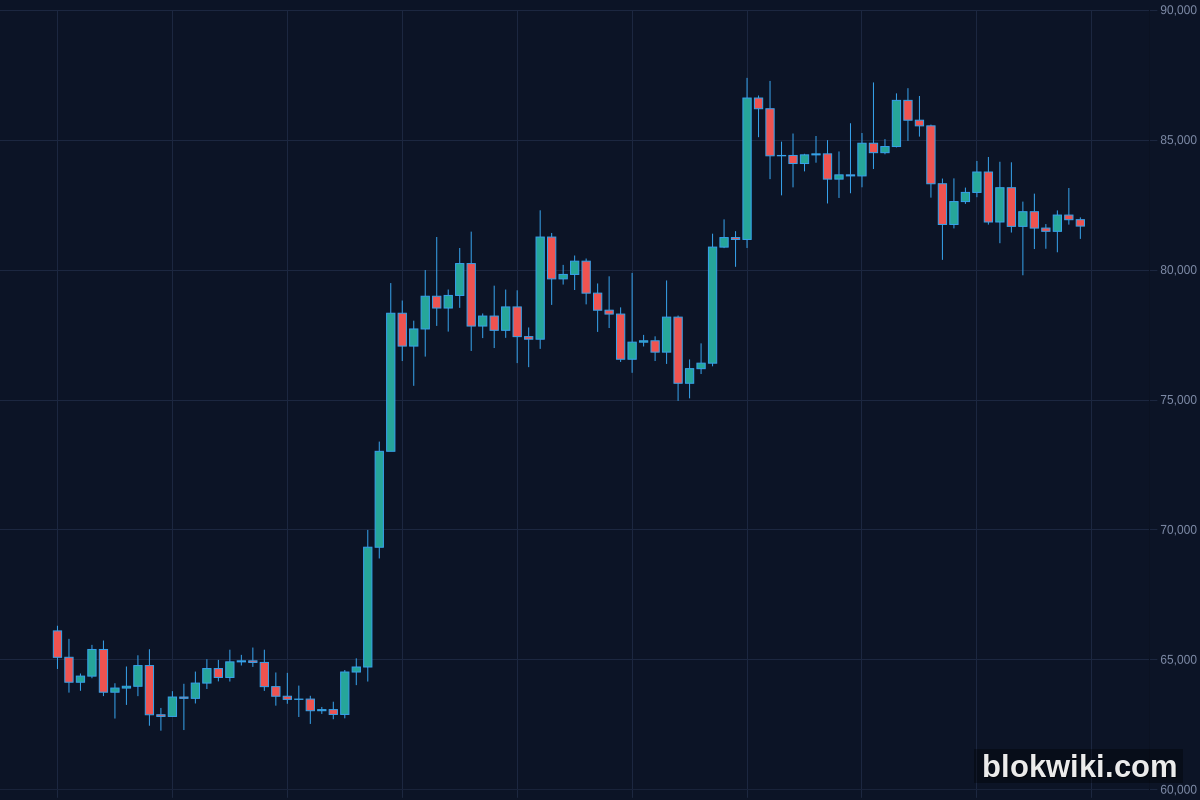
On 19 October 2026 BlackRock filed with the SEC for the iShares Bitcoin Managed Protect ETF, which seeks upside exposure to IBIT or similar bitcoin ex…
The news: BlackRock files for a bitcoin downside-protection ETF
On Monday 19 October 2026, BlackRock — the world's largest asset manager — filed with the US Securities and Exchange Commission for a new fund called the iShares Bitcoin Managed Protect ETF. In the language of the filing, the fund seeks to provide upside exposure to bitcoin while also seeking a level of downside protection — a structure the bitcoin ETF family has not seen before.
One caveat first: this is a filing, not an approved or trading product. As of 19 October, final prospectus terms, protection parameters, fees and a launch timeline have not been publicly confirmed. Reading it as "BlackRock is building a capital-protected bitcoin fund" is premature.
How the product is meant to work
The filing's key wording: the fund seeks to provide upside exposure to the iShares Bitcoin Trust ETF (IBIT) or similar bitcoin exposure up to an approximate limit, while seeking to provide a level of downside protection.
In plain terms, the idea is capping the peaks and filling the troughs:
- Because it caps the upside (up to an approximate limit), investors will not capture bitcoin's full gains;
- In exchange, it promises a layer of protection on the way down, reducing the drawdown in net asset value;
- Structurally this is a "bitcoin exposure plus option-like protection" wrapper, not plain spot holding. Which instruments are used (options, structured notes, dynamic hedging) and in what proportion will only be clear once the prospectus is published.
In other words, it targets capital that wants bitcoin exposure but cannot stomach 50%-style drawdowns. Until now that demand had to be assembled by hand from options, structured products or a multi-asset portfolio; BlackRock wants to package it as an ETF you can simply buy.
Why now: IBIT is big enough for product layering
The confidence behind this filing comes from IBIT's scale. BlackRock's iShares Bitcoin Trust (IBIT) now holds more than $65 billion in assets, the largest of its kind. Once a single product reaches that size, the issuer naturally starts to layer the line-up:
| Tier | Representative product | Who it serves |
|---|---|---|
| Base: direct spot holding | IBIT and other spot bitcoin ETFs | Capital that wants full bitcoin price exposure and can tolerate deep drawdowns |
| Advanced: yield/enhanced | Covered-call and yield-enhancing bitcoin ETFs | Capital seeking income, or trading volatility for yield |
| New: with downside protection | The Bitcoin Managed Protect ETF filed here | Conservative capital that wants bitcoin but needs drawdowns controlled |
The path is a clear institutionalisation arc: from "can I buy it" to "how much should I hold" to "how do I dial the risk to a level I can live with". The bitcoin ETF wrapped up the first two steps in about three years and is now entering the third.
What it means for the market
Three reads, from most to least certain:
- Signals matter more than flows. A product like this will not generate enormous buying in the short term, but it reinforces a narrative: bitcoin is increasingly treated by mainstream asset managers as an asset class whose risk can be engineered into tiers, rather than a speculative bet you either take whole or avoid;
- It may lower the entry bar for some institutions. Pension funds, insurers and conservative advisers are extremely drawdown-sensitive, and a protection structure is often the precondition for them to enter. Only once the product exists can that capital be brought in;
- Regulatory posture remains the biggest variable. A protection fund involves more complex derivatives, so SEC scrutiny will run deeper than for a plain spot ETF. As with the wider EU and US regulatory rhythm on crypto products, approval timelines for structures like this are usually longer.
The most practical note for ordinary holders: do not infer "bitcoin cannot fall" from "BlackRock wants a protection ETF". Downside protection is the product's selling point — which itself tells you the issuer regards falling prices as a problem this product exists to solve.
Don't jump to conclusions
To be complete: between this filing and a live product there are at least four gates — the SEC's formal review and possible comment rounds, the prospectus definitions of the protection mechanics and caps, the fee and tracking-error decisions, and final approval. If any one of those moves, the product can end up shaped differently from today's filing language.
So the only reasonable conclusion for now is this: BlackRock is turning the bitcoin ETF from a single product into a product matrix. That step is itself a sign of a maturing industry — but it is not a price signal, and not investment advice. If you want bitcoin exposure, size the position to the drawdown you can actually bear.
FAQ
Can I buy this ETF yet?
No. What was filed on 19 October 2026 is an application. It is not approved, no fee or ticker has been published, and it is not trading.
Does it equal "capital-protected bitcoin"?
No. The filing's language is "a level of downside protection", not a principal guarantee. How much protection applies, under what conditions and with what cap will only be known once the prospectus is published.
How does it relate to IBIT?
IBIT is BlackRock's existing spot bitcoin ETF, with more than $65 billion in assets; the new filing is described as providing upside exposure to IBIT or similar bitcoin exposure. In other words, it is closer to a second-layer product built on top of IBIT.
If I cannot buy this product, how do I approximate the effect?
You can assemble something similar from core spot exposure (via a regulated platform or a major exchange) plus a small options hedge. The hedging leg requires understanding time decay and roll costs, so it is not for anyone who has not worked with derivatives before.
Risk notice. Bitcoin and related ETFs are highly volatile and capable of large drawdowns. This article summarises public information only; it is not investment advice and not a prediction about approval, returns or protection. Event details and data are current as of 20 October 2026, and product terms are governed by the documents filed with the SEC and the final prospectus.