What Is Pons (PONS)? Robinhood Chain Launchpad and Token Economics
Why does PONS keep showing up in search and on-chain dashboards? A clear breakdown of how the Pons launchpad works, its 70/30 fee split, the buyback-a…
Why PONS suddenly shows up everywhere
Over the past month, Pons (PONS) has been showing up far more often in search results and on-chain dashboards. The reason is straightforward: it caught two narratives at once — the launch of Robinhood Chain, and a string of centralized exchange listings in late September. Bybit opened PONS spot trading on September 22, Indonesian licensed platform Pintu followed on September 24, and PONS moved into the global top 200 by market capitalization.
Attention is not the same as value. This article does three things: explains what Pons actually is, breaks down how its token economics work, and lists the three mistakes newcomers make most often.
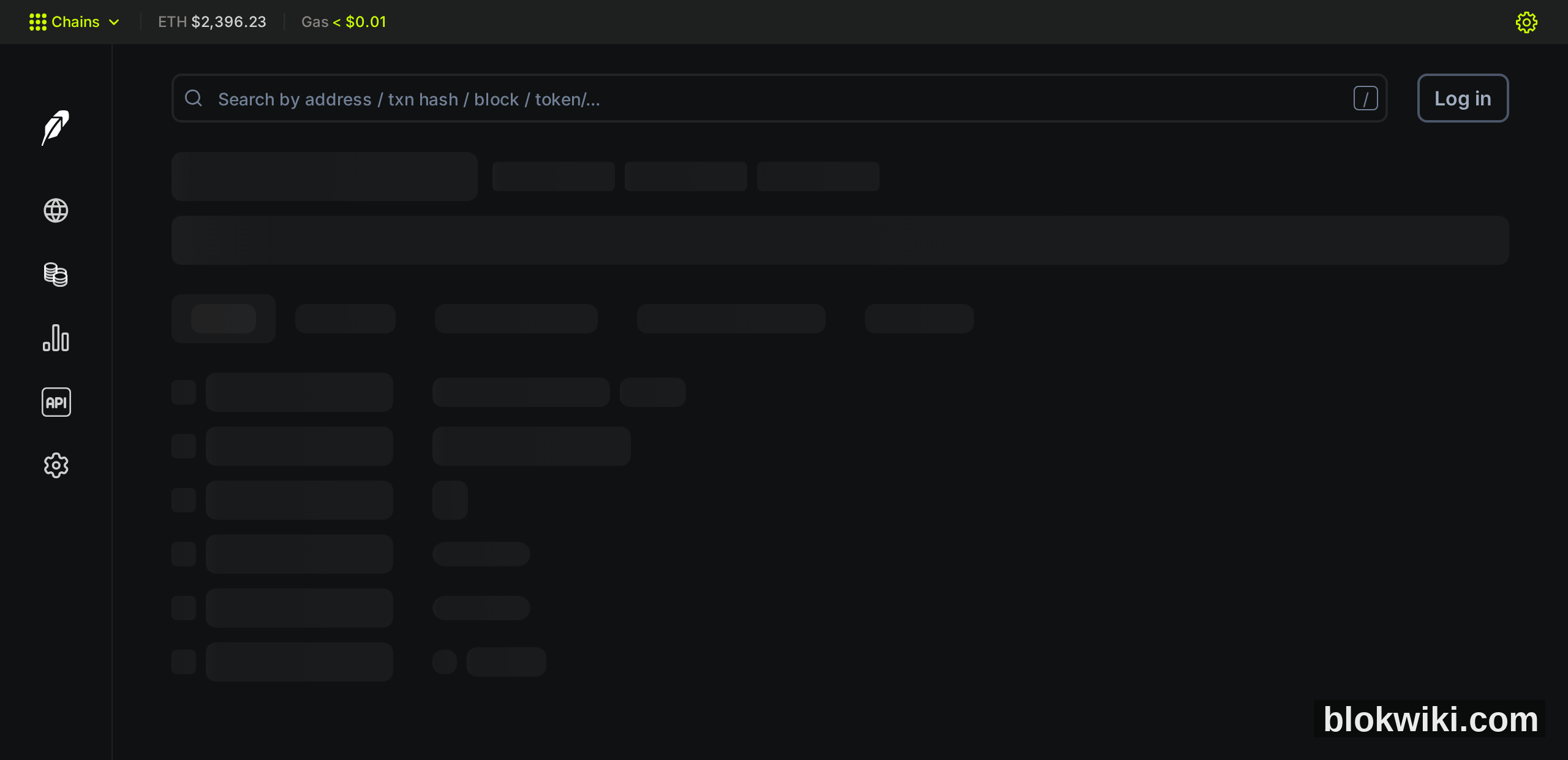
The screenshot above is the PONS contract page on the Robinhood Chain explorer. The token name reads Pons (PONS) at address 0x39dbED3a2bd333467115de45665cc57f813C4571. Checking that address is the only reliable way to tell real PONS from a copy.
Key numbers (as of October 23, 2026)
| Metric | Value |
|---|---|
| Name / ticker | Pons / PONS |
| Network | Robinhood Chain |
| Contract | 0x39dbED3a2bd333467115de45665cc57f813C4571 |
| Price | ~$0.255 |
| Market cap | ~$172 million (ranked roughly 193rd globally) |
| Circulating / max supply | ~672.8 million / 1 billion |
| 24h volume | ~$18.1 million |
| All-time high / low | $0.971 / $0.00332 |
Figures come from CoinGecko's public API. Prices move fast — use live data when you act.
What Pons actually is
Pons is not just another ERC-20 token. It is a token launch and trading venue built on Robinhood Chain. Anyone can create a token there; the token and its WETH trading pool are deployed in a single transaction, and the pool's liquidity is locked automatically. The platform never holds user funds — every launch and every trade is a transaction you approve from your own wallet.
That model differs fundamentally from the "bonding curve plus migration" design popularized by Pump.fun:
- Fixed supply: the token is minted once at creation and never inflated afterward;
- No bonding curve: there is no staged pricing and no "graduation" to a separate pool later;
- A pool from day one: the token trades against WETH in a Uniswap V3 pool from the first second, with liquidity locked;
- WETH-only quoting: every new token pairs with WETH, not USDT or fiat.
PONS token economics: where the fees go
Trading on Pons generates fees in two currencies — the launched token and WETH. The protocol keeps a share and the token creator keeps the rest. Tokens launched through the current factory use a 70% creator / 30% protocol split. Tokens from the earlier factory keep the original 90/10 split, and the ratio is snapshotted at launch and never changes afterward.
The protocol's 30% is mainly used to buy back and burn PONS: protocol funds buy PONS on the market and send it straight to the burn address, permanently reducing circulating supply. The official docs add an important caveat in the same breath — burning does not guarantee a higher price.
So the value logic boils down to this: the more launching and trading activity the platform generates, the more fees flow in and the heavier the buyback. If activity dries up, the buyback shrinks with it.
Where to buy PONS
There are three practical routes today:
- Centralized exchanges: Bybit enabled PONS spot trading on September 22, 2026; Indonesian users can also trade it on the licensed local platform Pintu;
- On-chain: swap WETH for PONS on Robinhood Chain through the official Pons interface or another DEX that supports the chain;
- Bridging in: withdraw from an exchange to a wallet that supports Robinhood Chain, then trade on-chain. Double-check the network before withdrawing — a wrong chain choice can lose the funds.
Three mistakes to avoid
1. Trusting the name instead of the contract
The first line of Pons' own documentation warns that names and symbols can be copied. Anyone can deploy a fake token called PONS. Before buying, verify the contract is 0x39dbED3a2bd333467115de45665cc57f813C4571 and that the network is Robinhood Chain.
2. Treating deflation as a guarantee of price appreciation
Buybacks and burns do reduce circulating supply, but price is still set by buyers and sellers. PONS fell from an all-time high of $0.971 to around $0.25 — a drawdown of more than 70%. The burn mechanism did not prevent that.
3. Ignoring new-chain risk
Robinhood Chain is very new: its ecosystem, bridges, and wallet support are still maturing. Assets on a new chain carry smart-contract risk, thin-liquidity risk, and bridge risk. None of that reflects on the token's quality, but any of it can wipe out a position.
FAQ
Is PONS issued by Robinhood?
No. Pons is a third-party platform built on Robinhood Chain, and the token is issued by the project. Using the Robinhood brand name does not imply official endorsement.
Can the total supply change?
Max supply is fixed at 1 billion and will not be inflated. Circulating supply decreases over time through buybacks and burns.
Can I still claim an airdrop?
This article endorses no airdrop, rebate, or "early access" offer. Any claim that asks you to approve a wallet or deposit assets first should be treated as a scam.
Risk notice: This article is information only and not investment advice. Crypto assets are highly volatile, and new chains and platforms add smart-contract, liquidity, and bridge risk that can result in total loss of principal. Verify contract addresses and official channels yourself, and never commit funds you cannot afford to lose.