Bitcoin at $75K: Should First-Time Buyers DCA or Wait for a Lower Price?
Bitcoin slid from above $80,000 to about $75,200 on November 5-6 as 24-hour liquidations topped $1 billion, three-day realized losses passed $2 billio…
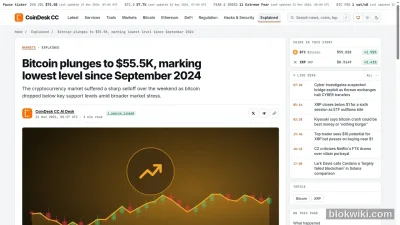
In two sessions on November 5 and 6, crypto gave back a month of gains. The S&P 500 fell 4%, the Nasdaq dropped more than 5%, and U.S. equities erased $2.5 trillion to $3 trillion in market value at one point during the session. Bitcoin slid from above $80,000 to a low of roughly $75,200 before recovering to near $76,000 on November 6.
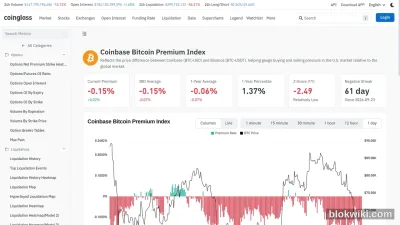
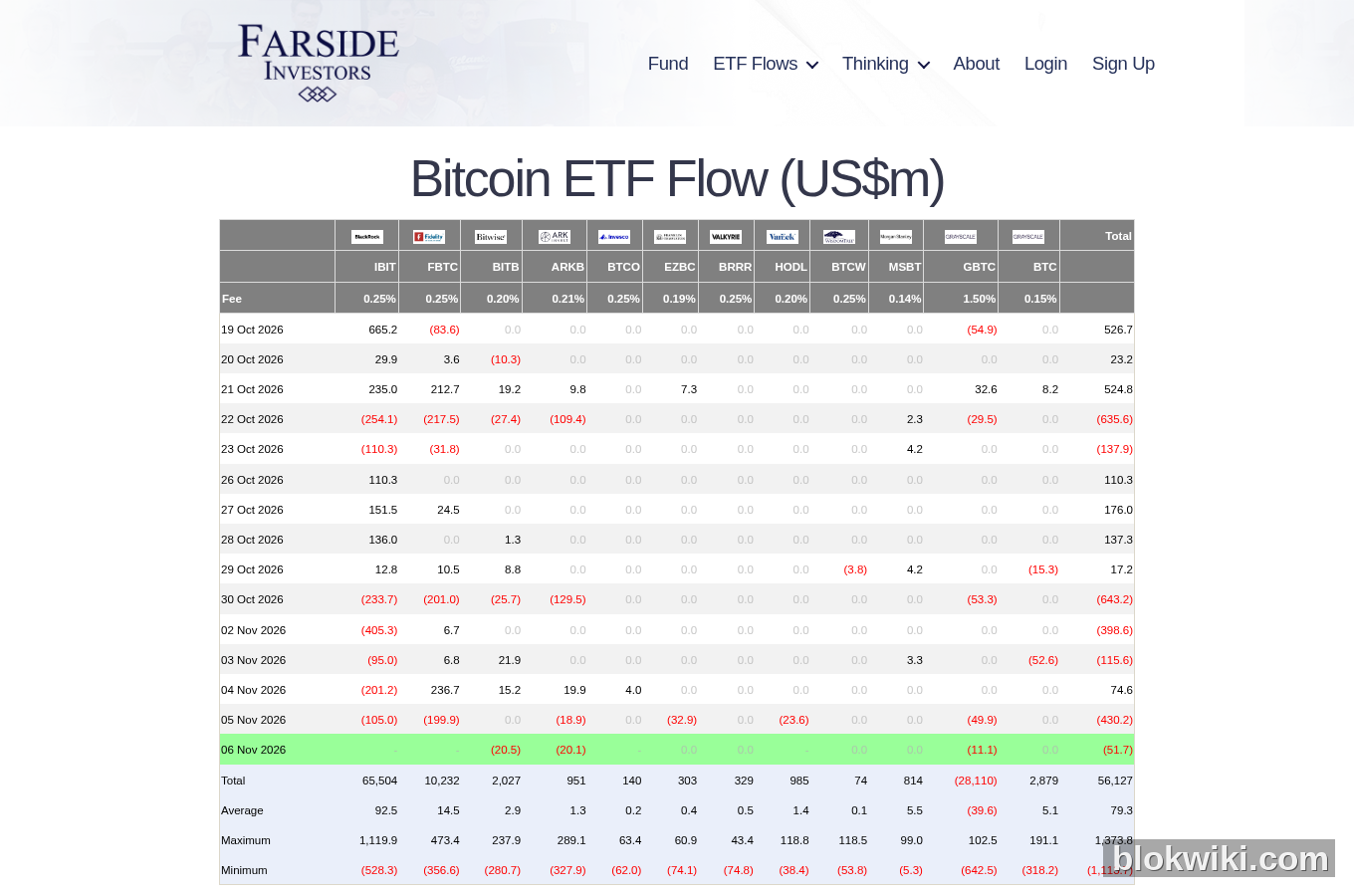
Line the numbers up and the picture sharpens. Liquidations across the crypto market briefly topped $1 billion within 24 hours. CoinGlass now shows about $221 million liquidated over the past day across 75,400 traders, with longs accounting for 64.9% of the total. CryptoQuant analyst Darkfost estimates that investors realized average daily losses of $657 million to $703 million over the past three days, more than $2 billion combined. U.S. spot bitcoin ETFs kept bleeding: net outflows of $430.2 million on November 5, including $199.9 million from FBTC, $105.0 million from IBIT and $49.9 million from GBTC, followed by another $51.7 million of outflows on November 6. The Coinbase bitcoin premium index has now been negative for 44 consecutive days, a sign that U.S. buying interest remains weak.
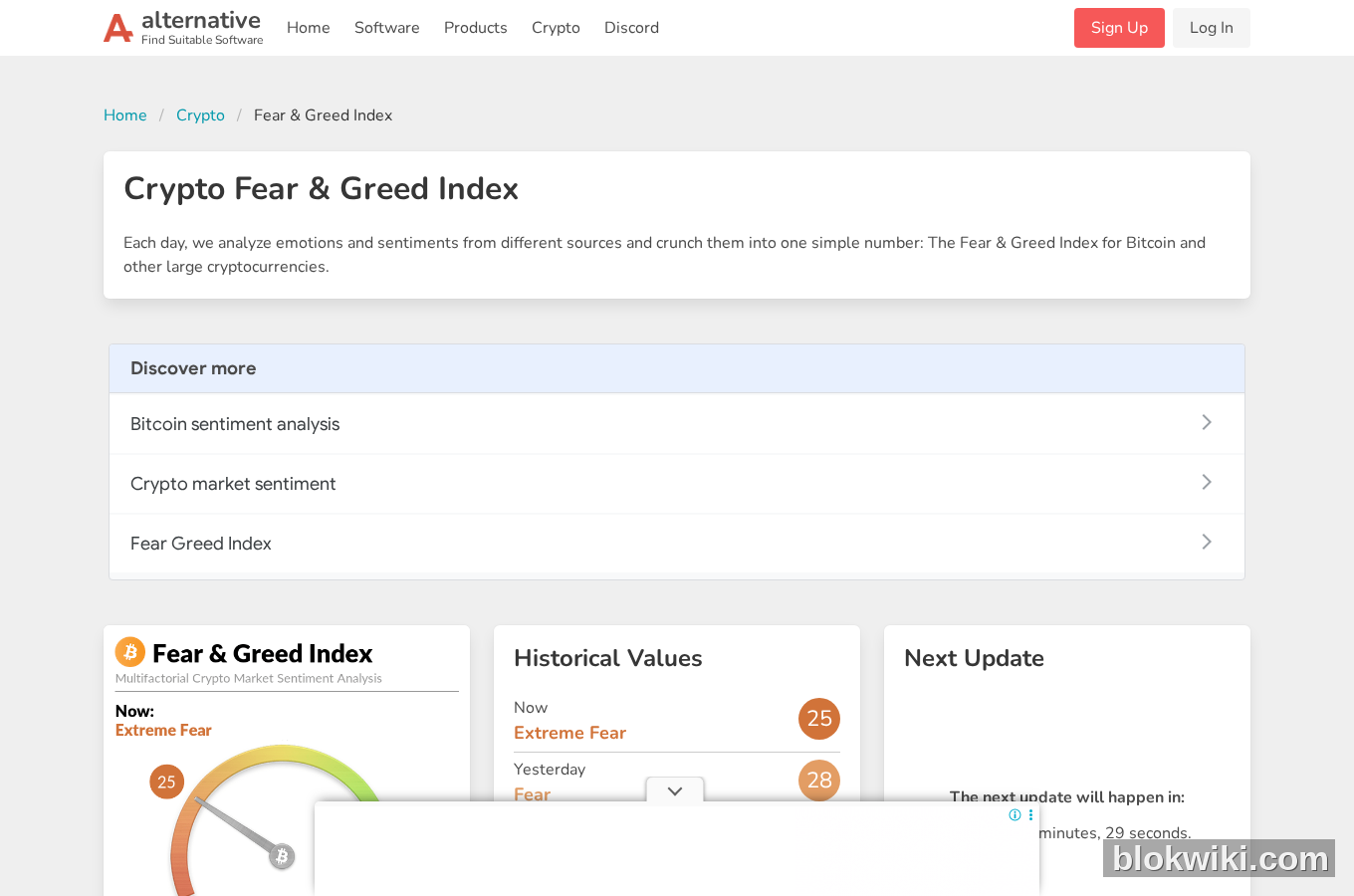
Sentiment sits at an extreme. The crypto Fear & Greed Index reads 25, deep in "extreme fear" territory, down from 28 a day earlier. The trigger is not hard to identify: a concentrated sell-off in AI-linked technology stocks, which now account for nearly half of S&P 500 market value, combined with a stronger-than-expected U.S. nonfarm payrolls report that undercut expectations for a December rate cut. Risk assets were repriced together. Crypto was simply the most volatile of them.
That is why two voices tend to show up in a first-time buyer's head at the same time: "It has fallen this much, should I buy the dip?" and "It might fall further, maybe I should wait." They sound like opposites, but they are the same impulse — both are attempts to guess the one thing nobody can reliably guess: the bottom.
1. Start here: nobody can call the bottom, including professionals
Some analysts are indeed warning that bitcoin could first slide toward $68,000 to $70,000. The reasoning is coherent: persistent ETF outflows, soft U.S. demand and tightening expectations for macro liquidity, with no sign of a near-term reversal in any of the three.
But these forecasts deserve more skepticism than they usually get. Not long ago, much of the same analytical framework was discussing targets above $100,000; when price turned, the targets moved with it. Forecasters always sound persuasive in hindsight. In real time, their published targets span an enormous range — you can find credible voices at $68,000 and at $120,000 on the same day. When a forecast range is that wide, it stops being information and becomes mood.
This is not a knock on analysts. It reflects a structural fact: a bottom can only be confirmed after the fact. Every "bottom" you see right now could be a pause in a downtrend, and every "bounce" could be a bull trap. For a first-time buyer, building an entry decision on "I called the bottom correctly" means handing the outcome to luck.
2. Three ways in, three very different costs
If the bottom cannot be known, the only real decision left is how to enter. In practice there are three options.
All-in. Pick a price and deploy the whole amount at once. If you happen to buy low, it delivers the highest return and the best capital efficiency. The trade-off is that a timing mistake gets fully amplified — buy at $76,000 and a move to $68,000 is -10.5%, with no dry powder left for a second attempt. For beginners, the real problem with all-in is not the volatility; it is that it forces decisions at the most uncomfortable moments. Cut losses or hold? Add or freeze? Every step tests your nerves.
Scaling in / dollar-cost averaging (DCA). Split the capital into fixed slices and buy on a fixed schedule, say a set amount every week. This does not solve the "buy the exact low" problem, but it converts timing into discipline. You accumulate fewer coins when prices are high and more when they are low, and your average cost smooths out over time. The trade-off is underperformance versus a lucky all-in during a bull run, plus a very boring process.
Waiting for a lower price. Do nothing and wait for a level you like. Cash in hand feels comfortable, and you cannot lose money by waiting. There are two problems. First, the pullback may never come and price may reverse, forcing you to chase higher. Second, waiting feels free but carries a real opportunity cost. The most common outcome is waiting three months and then buying in a panic at $85,000 after the rebound.
| Approach | Best for | Biggest risk | Psychological load |
|---|---|---|---|
| All-in | People with a defined position plan who can stomach a 30%+ drawdown | Buying a local top with nothing left to add | Highest; constant chart-watching |
| Scaling in / DCA | First-time buyers with stable cash flow who do not want to watch charts daily | Paper losses persist through a bear market; requires patience | Moderate; hardest in the early stretch |
| Wait for lower | People who already hold a position and are only considering adding | No pullback arrives, then chasing the rebound | Looks lowest, often the most anxious |
None of the three is inherently superior. They simply park the risk in different places: all-in puts it in price, DCA puts it in time, and waiting puts it in execution.
3. Why DCA fits a first entry better
For someone who has not opened an exchange account yet and is still deciding whether to start, DCA offers three practical advantages.
First, it does not require a view on the bottom. You only need to answer one question: over the next two or three years, do you still want to hold this asset? If yes, start. If no, do not start. That question is far easier than "where is the bottom?"
Second, it forces discipline. Beginners rarely lose money because they picked the wrong asset. They lose because they sold when they should have held, or added when they should have stopped. DCA sets the decision in advance and turns "should I buy today?" — a question that drains willpower — into an automated rule.
Third, it is measurable. How much you bought each week, for how many weeks, at what average cost: all of it is on record. You know where losses and gains came from. People who trade on feel often cannot state their own cost basis a year later.
One thing must be said plainly: DCA is not a guaranteed profit and certainly not capital protection. It only spreads the risk of buying a single top into a process that may include a long stretch of unrealized losses. DCA loses money in a bear market too, sometimes for more than a year. What it improves is your cost basis and your behavior, not the direction of the market. Anyone selling it as effortless money is not worth listening to.
4. How to start: three steps
Step one: register and pass KYC. Pick a major exchange, sign up with an email address or phone number, and complete identity verification. KYC is a compliance requirement, and it is also the precondition for account recovery and higher withdrawal limits. We walked through the full process and funding options in this guide to starting crypto trading with $10, so you can follow it the first time.
Step two: set a fixed amount. For example, $50 a week or $200 a month. Size it by how much you can afford to lose, not by how much you hope to make. A simple test: if this money were cut in half tomorrow, would your life be affected? If yes, the amount is too large. These figures are examples, not investment advice.
Step three: automate the purchase and track cost separately. All three major exchanges offer recurring buys or auto-invest, so once you set the schedule and amount, the system debits automatically. Keep a separate spreadsheet logging the date, amount, fill price and quantity of each buy. The point is not precise performance math; it is having a true cost basis to look at during the next sell-off instead of being led by your mood.
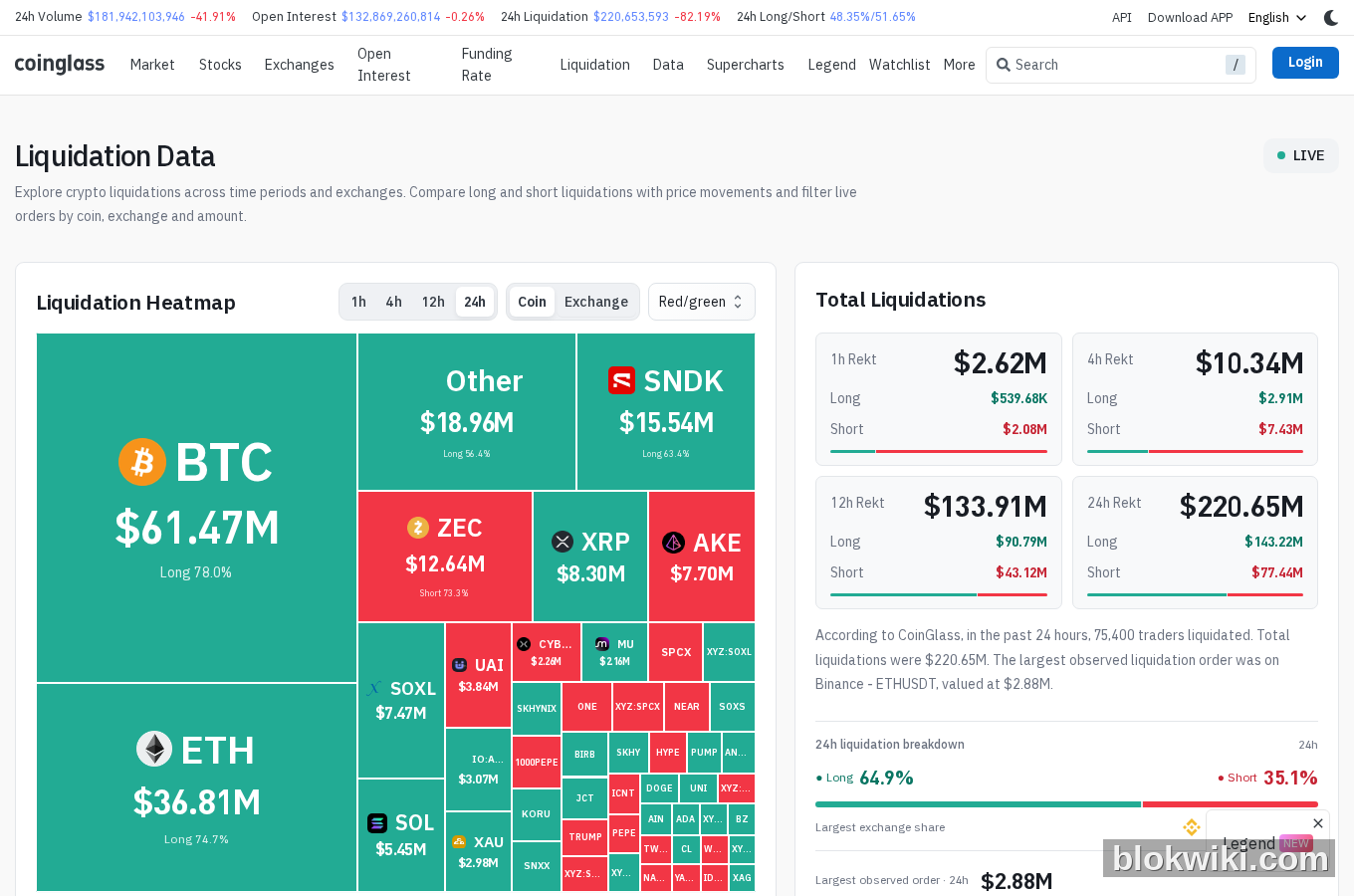
One more note on that liquidation chart: 64.9% of the liquidations were longs, which means the accounts wiped out were mostly leveraged bulls, not spot holders. A 10% drop is an unrealized loss in spot; with 10x leverage, a 10% drop is zero.
5. Four mistakes beginners make most often
1. Stopping the plan when price falls. This is the single most damaging behavior for a DCA plan. The whole logic is to buy more units when prices are lower. Stopping at the moment you should be buying turns DCA into buying high and selling low. When a big drop happens, review your cash flow instead of cancelling the plan.
2. Using leveraged futures to buy the dip. "It has dropped so much, let me open a 10x long for the bounce" is the fastest way for a beginner to lose the entire bankroll. The liquidation data above is the answer: $221 million, 75,400 traders, 64.9% longs. Buying a dip and adding leverage are two separate decisions; combining them is gambling.
3. Investing the emergency fund. DCA assumes the money will not be needed for three to five years. If rent or a credit card bill is due next month, that money does not belong in the market. Being forced to sell at a low is the biggest enemy of a DCA plan.
4. Watching candles but ignoring fees and withdrawal costs. This matters especially for small recurring buys. Every purchase carries a trading fee, and withdrawals add network fees plus a platform withdrawal fee. If you are buying only $20 a week, fees can take a disproportionate bite. Always check the live fee schedule, minimum withdrawal amount and limits on the exchange page; do not trust fixed numbers in any article, including this one.
6. If you decide to start, pick one of these three
For a first entry, the criteria are simple: sufficient liquidity, a clear security record and a smooth withdrawal process. Three exchanges we track closely:
- Binance — the deepest order books and the widest asset coverage, a reasonable first stop. Registration link
- OKX — a complete Chinese-language interface and a solid wallet experience, good for learning self-custody while you buy. Registration link
- Gate.io — a long tail of smaller tokens, suitable for small test positions. Registration link
Choose one. Do not register on all three in the name of "diversification" — with a few thousand dollars at stake, you are diversifying your attention, not your risk. What actually needs diversifying is custody.
A simple combination: the exchange for buying, a wallet for long-term holding. An exchange is an on-ramp, not a vault. Money you plan to sell soon can stay on the exchange; anything you do not intend to touch should be withdrawn to your own wallet. Before you withdraw, do two things. First, verify the entire address, not just the first and last characters, to guard against address poisoning — the walkthrough is here. Second, check that the exchange's security settings are complete; our five-point checklist is here.
So the next step is clear: register, verify, set up a recurring buy, make the first purchase, then move the coins to your own wallet. Buying is only the beginning. Holding it safely is when you have actually entered the market.