What Is USDT and Why Buy It First?
USDT trades at $0.9990 with a $175.28 billion market cap and 61.65% of the stablecoin market. Here is why beginners start there, what each funding rou…
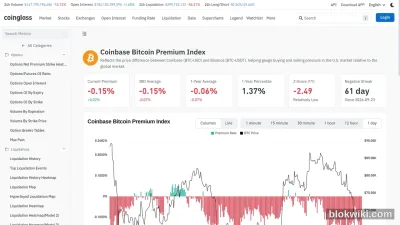
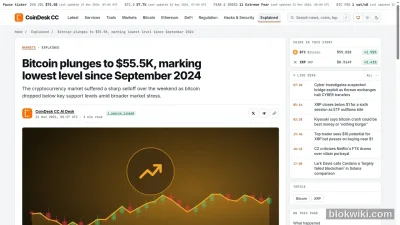
On November 17, bitcoin traded at $64,748, roughly flat over 24 hours, with ether at $1,820 and SOL at $71.76. BTC has slid from $70,831 to the mid-$64,000s in a week, and the same question keeps coming up: I want to buy a little — what exactly should I buy? The answer is almost always the same: get USDT first.
That sounds like jargon, and it is only half an answer. Here is what USDT is, why people start there, where to get it, and how much it actually costs.
1. What USDT actually is
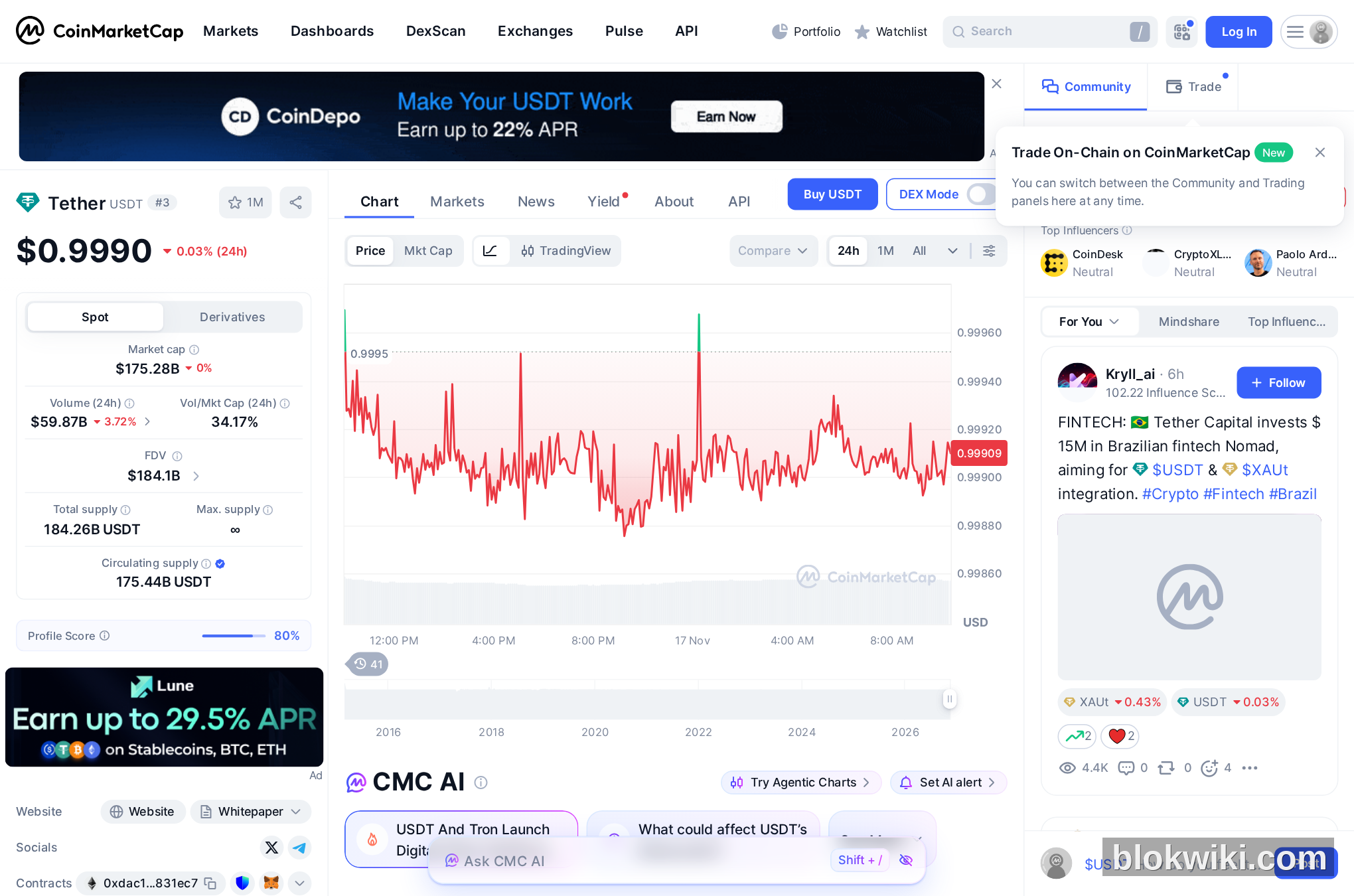
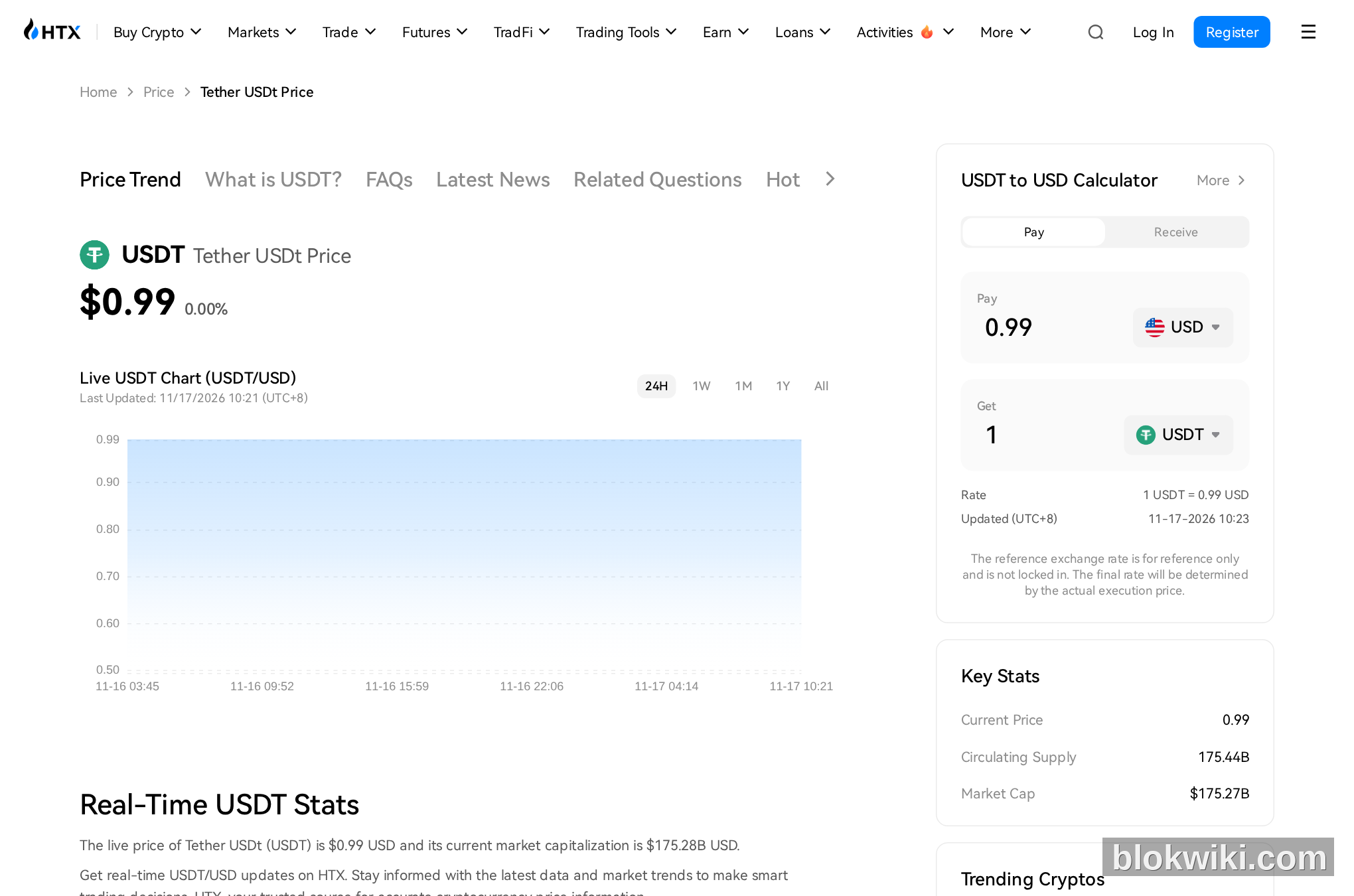
USDT stands for Tether USD, issued by Tether, and is designed to be worth about one US dollar. It currently trades at $0.9990, down 0.03% in 24 hours, with a market cap of $175.28 billion, 175.448 billion tokens in circulation, and $59.87 billion of 24-hour volume.
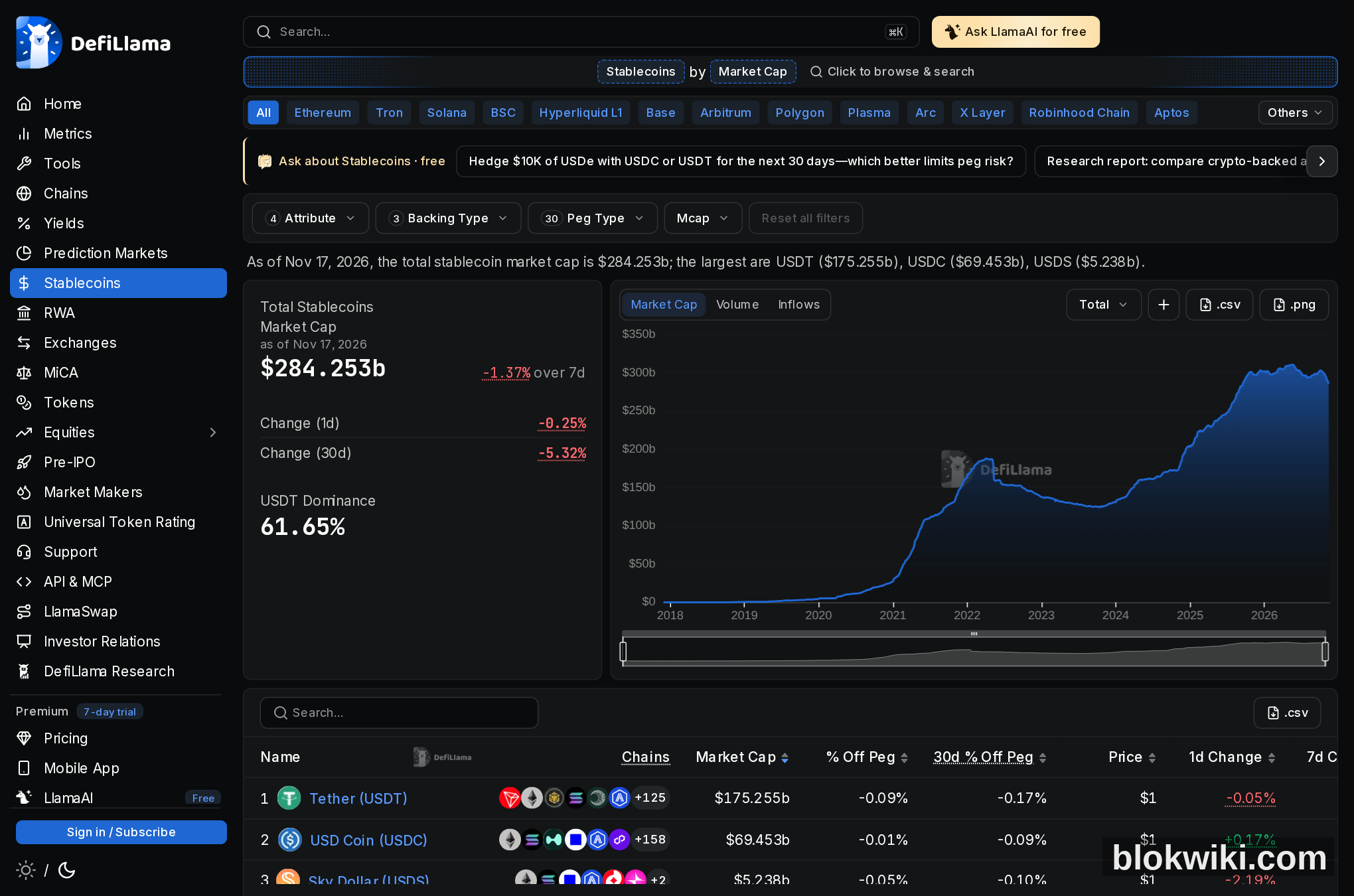
Zoom out: DefiLlama puts the entire stablecoin market at $284.253 billion on November 17, of which USDT is $175.255 billion — 61.65% — followed by USDC at $69.453 billion and USDS at $5.238 billion. In other words, more than six in ten stablecoin dollars are USDT.
The key point: 1 USDT is not 1 dollar of cash. It is a liability of Tether backed by reserve assets. The $0.9990 quote is the market's live answer to "what is one Tether dollar worth" — and the missing 0.001 is the price of counterparty risk.
2. Why start with USDT instead of buying BTC
- Almost everything is priced in USDT. BTC/USDT, ETH/USDT and SOL/USDT are the main pairs; once you hold USDT, any swap is a single trade.
- It separates "what to buy" from "when to buy." Holding USDT in an unclear market means you are in position without betting on direction.
- It sidesteps minimum order sizes. Many venues require at least 0.0001 BTC (about $6.5), which CNY 600 covers — but smaller budgets are easier to deploy in USDT.
- It makes price comparison easier. Going CNY → USDT → BTC versus buying BTC directly produces slightly different fills, especially when order books are thin.
The cost has to be stated plainly: USDT is not a bank deposit and carries no deposit insurance. Its risks come from reserve transparency, regulation, and de-pegging in extreme markets. Treat it as a parking spot, not a vault.
3. Where to get it: three routes and what they cost
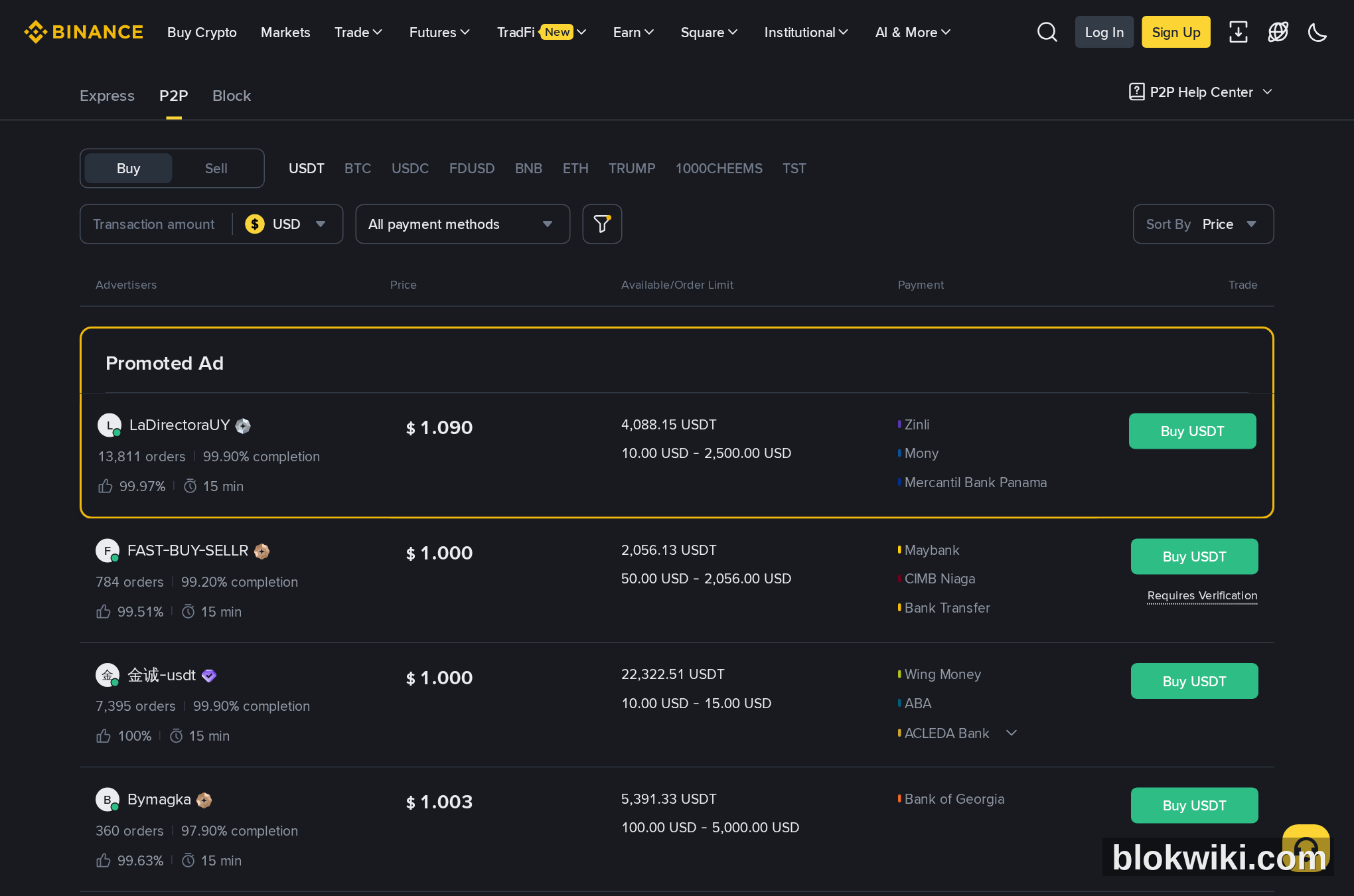
Route 1: P2P / C2C. You trade fiat directly with merchants. On Binance P2P on November 17, USDT buy prices ranged from $1.000 to $1.050 depending on payment method and merchant. The $1.050 listing means you are paying a 5% premium per token.
Route 2: the exchange's "buy crypto" widget (card or third-party payment). Pricing is usually close to spot, but you pay a 1–3% fee or spread, and availability depends on your region.
Route 3: on-chain transfer. If you already hold USDT elsewhere, sending it to an exchange costs network gas — typically $1–5 — but the network must match: TRC20, ERC20 and BEP20 are not interchangeable.
At CNY 600 and a 7.1 exchange rate, you have about $84.5. Filling at $1.00 gets you 84.5 USDT; filling at $1.05 gets you 80.5 USDT — a 4 USDT difference, roughly CNY 28, on the same money. Compare merchants; do not just tap the first ad.
4. What the four main exchanges charge
Once you hold USDT, converting to BTC is where trading fees apply:
- Binance: 0.1% maker and 0.1% taker spot, or 0.075% with the 25% BNB discount
- OKX: 0.1% maker, 0.2% taker
- Gate: tier-based, roughly 0.1%–0.2% for regular users
- HTX: Prime0 is 0.2% maker and 0.2% taker, reduced to 0.15% with the 25% HTX discount
On a CNY 600 order, 0.1% is CNY 0.6 and 0.2% is CNY 1.2. At small size the fee is not the deciding factor — but you should know what you are paying.
5. The five steps for your first purchase
- Open one account at Binance, OKX, Gate or HTX — after the three-minute reserve/withdrawal/licence check in this guide.
- Complete KYC; if it stalls, see our review-failure checklist.
- Buy USDT through P2P or the buy widget — start with CNY 100.
- Swap USDT for BTC in the spot market; no leverage on the first trade.
- Run a small withdrawal test so you know the rails work; steps are in our withdrawal guide.
Getting USDT first, then deciding what and how much to buy, is the order that gives beginners the fewest ways to go wrong. If you are still stuck on "should I buy now," read the four numbers to check first.