Crypto Scams 2026: 6 Types + 3 Free Official Checker Tools (SEC/IC3)
Crypto scams in 2026 are 10x harder to spot than in 2019 — AI mass-generates fake exchange pages, deepfakes spoof KYC video checks, wallet-drain scrip…
Why Crypto Scams in 2026 Are 10x Harder to Defend Than in 2019
By 2026, the crypto industry has seen exchange hacks balloon from $41 million in 2019 (Binance Bithumb incident) to $6.3 billion today (Binance hot wallet EIP-7702 hijacking). Hacker attack vectors have evolved from simple API key leaks to delegated authorization hijacking, automated wallet drain scripts, and even AI-generated fake exchange pages at scale. Meanwhile, crypto scams targeting everyday users are iterating at the same pace: the SEC issued a warning in August 2026 about scammers exploiting SEC Exempt Reporting Adviser (ERA) filings to fabricate a "compliant" facade; the FBI IC3 2024 annual report shows annual crypto-related fraud losses have exceeded $5 billion; and Chainalysis just traced a $387 million North Korean hacker theft of Bitget funds in October this year.
Even more alarming: several new scam types emerging in 2026 are pushing the barrier to entry to historic lows. Deepfake KYC video impersonation — a 15-second fabricated facial video can now pass facial recognition on certain exchanges. AI-generated "official announcement" websites — off by a single letter in the domain, but the page is a perfect replica of the real exchange's official site, fonts and layouts included. And a variant of Approve Phishing — scammers send unlimited authorization requests directly to your wallet via an on-chain DApp; you just click "Confirm" in MetaMask, and the transfer permissions for every asset in your wallet are handed over.
The good news: the SEC, FBI IC3, and Chainalysis have all published targeted resources for crypto scams this year. Below we break down the 6 most prevalent scam types, then introduce 3 completely free official self-check tools — all accompanied by real webpage screenshots.
6 Most Common Crypto Scam Types (with 2026 Real Cases and Red Flags)
1. Fake Exchanges / Fake Apps
Mechanism: Scammers build replica exchange websites or apps, simulate real KYC flows, and cut all contact the moment you deposit. The 2026 evolution is AI mass generation — randomized domain combinations, full cloning of top-tier exchange pages, even "simulated trading" to let you win a few times before depositing real money.
- 2026 Real Case: Datawallet discovered a fake OKX website targeting Southeast Asian users in July 2026 — domain okx-crypto.sg impersonating Singapore OKX, advertised on Google Ads, with over 1,200 victims.
- Red Flags: Domain suffix not .com / .io / .exh / .sg or other common exchange extensions; Google Ads placement instead of organic search results; absurd promises like "200% bonus for new user deposits"; app installer not available on official App Store / Google Play.
2. Fake Tokens / Fake Airdrops
Mechanism: Advertised on Telegram / X / Discord as "major exchange anniversary airdrop" or "new token launch," asking you to connect your wallet or transfer a small verification amount. Once connected, wallet drain scripts execute automatically.
- 2026 Real Case: Datawallet traced an X account impersonating Binance Launchpool, which posted a "2x BNB airdrop" tweet in mid-October — receiving over 40,000 likes in 24 hours — but ultimately linked to an Approve Phishing page.
- Red Flags: Asking to "connect wallet to claim" (real airdrops never ask for wallet connections); coming via Telegram / X DM or automated bot; requiring a small "verification deposit" (even just $1).
3. Pump & Dump
Mechanism: Fraud teams coordinate buy calls in Telegram groups, accumulate low-market-cap tokens cheaply, then collectively dump after pushing the price up. 2026 evolution: AI auto-generated "technical analysis" posts + bot-driven trading volume + fake press releases to manufacture "bullish news."
- 2026 Real Case: Datawallet documented a Pump & Dump targeting Malaysian users in August — the token ran from RM0.01 to RM0.45 in 2 hours, then crashed back to RM0.002 within 10 minutes, hitting over 800 victims.
- Red Flags: Coordinated buy calls in Telegram groups / Discord servers; only a few hundred trading pairs on CMC / CoinGecko; anonymous team, no LinkedIn, no GitHub code.
4. Rug Pull
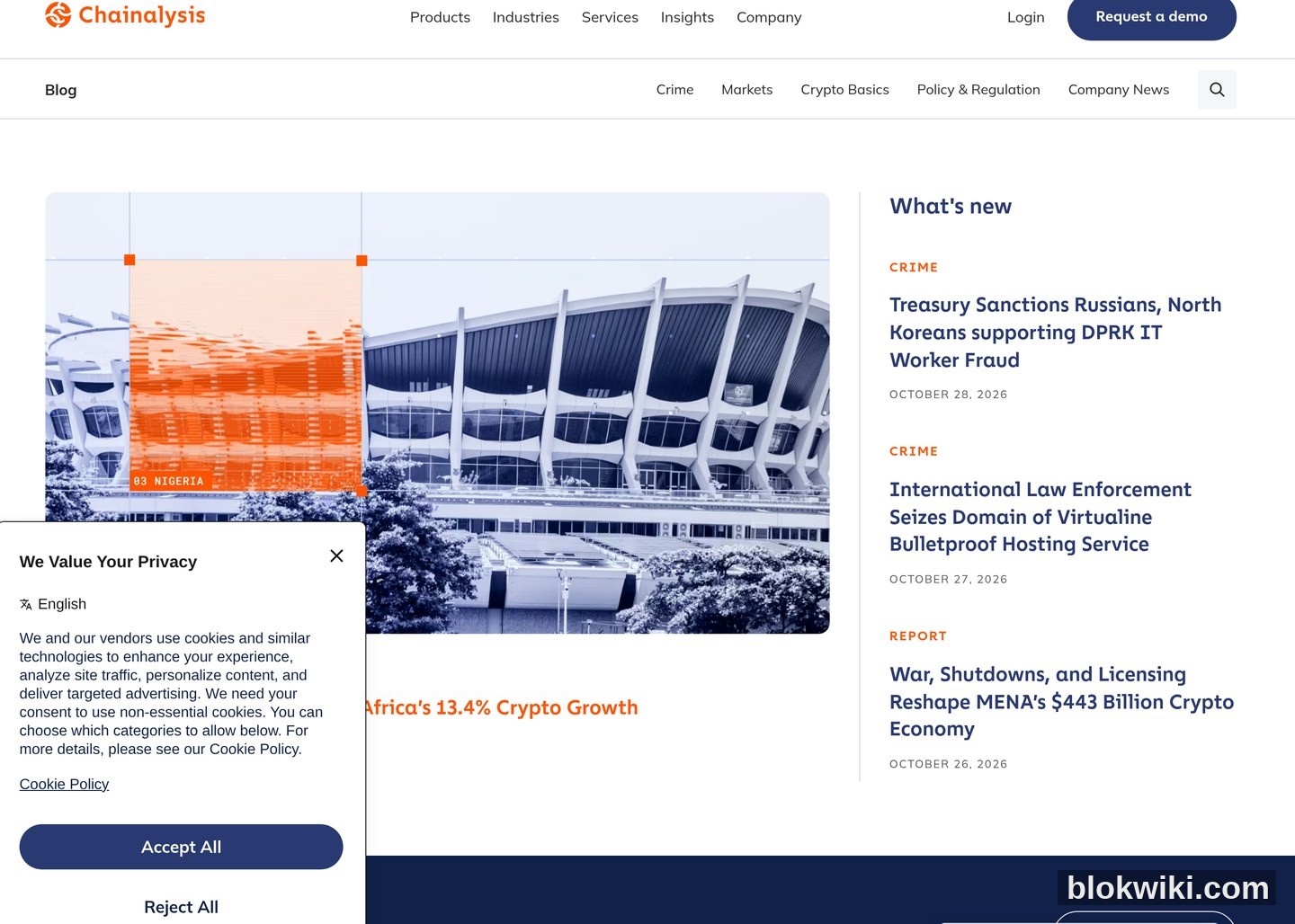
Mechanism: Project operators launch a DEX liquidity pool, then pull all liquidity directly via smart contract — tokens held by investors instantly go to zero. Chainalysis 2024 report shows Rug Pull accounts for over 50% of all crypto fraud losses, making it the most prevalent scam type. Chainalysis's crime analysis blog continuously tracks global Rug Pull trends:
- 2026 Real Case: On October 23, an "Asia AI Token" deployed on BNB Chain was Rug Pulled 4 hours after launch — the contract owner directly drained $120,000 in liquidity. The amount is lower than the 2024 average Rug Pull, but the frequency is higher.
- Red Flags: Liquidity pool lockup expiry (verifiable on BscScan / Etherscan); owner address holding more than 20% of tokens; unverified contract source code.
5. Phishing Links / Approve Phishing
Mechanism: Two common variants. First, classic phishing — emails disguised as "exchange security notifications" that lead to replica login pages, stealing credentials and 2FA. Second, Approve Phishing that exploded after 2024 — scammers send unlimited authorization requests to your wallet via a DApp; once you click "Confirm," they can drain all tokens in your wallet at any time.
- 2026 Real Case: The SEC's "Don't get '-ished'" alert issued in April 2026 explicitly lists Phishing, Smishing, and Vishing. Smishing (SMS phishing) targeting crypto users rose from 18% in 2024 to 41% in 2026 — scammers send SMS impersonating Binance / OKX security teams.
- Red Flags: Typos in emails / SMS or misspelled domains (Binanc3, OKX-Secure); asking you to click a link and reset your password; unusual authorization amounts in MetaMask popups (unlimited authorization = scammer); sender email on Gmail / Hotmail instead of official exchange domains.
6. Fake KYC / Law Enforcement Impersonation
Mechanism: Scammers impersonating the SEC, CFTC, FBI IC3, or local regulators, claiming "you're suspected of crypto money laundering" and demanding you transfer coins to a "regulatory freeze account for investigation." The SEC warned in September 2025 and IC3 issued a PSA in 2026 specifically about these impersonators.
- 2026 Real Case: FBI IC3's 2026 PSA explicitly states, "The IC3 does not work with any non-law enforcement entity, such as law firms or crypto services, to recuperate lost funds" — yet impersonators remain active, scamming over $35 million in 2025 alone.
- Red Flags: Law enforcement will never contact you via WhatsApp / Telegram / X DM; will never ask you to transfer funds or "cooperate with a crypto investigation"; will never request your wallet address or private keys over a phone call.
3 Free Official Self-Check Tools (SEC / FBI IC3 / Chainalysis)
The good news: you don't need to pay for any "scam blacklist" subscription — three independent official/industry authorities provide completely free crypto scam self-check resources. Below are all real webpage screenshots from 2026:
Tool 1: SEC Investor Alerts & Bulletins (U.S. Securities and Exchange Commission)
The SEC is one of the most active traditional financial regulators globally on crypto oversight. Its Investor Alerts page is a free, browsable list of the latest warnings — in 2026 alone, it published at least 8 dedicated alerts targeting crypto and financial fraud, including:
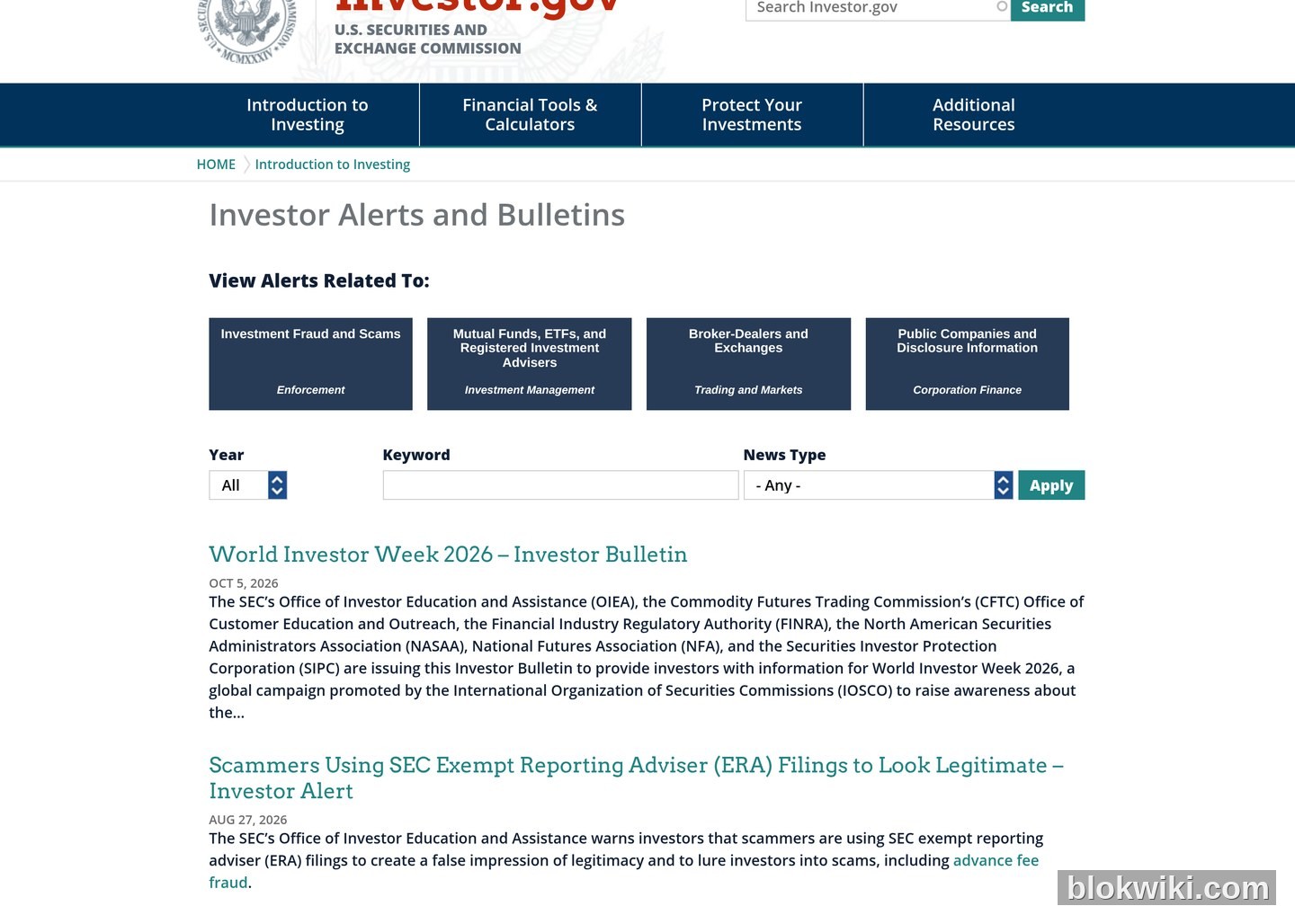
- 2026-08-27: "Scammers Using SEC Exempt Reporting Adviser (ERA) Filings to Look Legitimate" — new fraud technique exploiting SEC ERA filings to fabricate a "compliant" facade
- 2026-04-23: "Don't get '-ished' – Tips to Protect Your Investment and Financial Accounts from Phishing, Smishing, and Vishing Scams" — directly addresses three phishing types for crypto users
- 2025-12-12: "Crypto Asset Custody Basics for Retail Investors" — retail user crypto asset custody guide
- 2025-09-30: "SEC Impersonators May Lure Investors Into Scams Through Social Media or Text Messages" — scam alert about SEC impersonation
URL: https://www.sec.gov/investor/alerts — filterable by year and keyword, no registration required.
Tool 2: FBI IC3 Annual Reports & PSA (FBI Internet Crime Complaint Center)
The FBI IC3 is one of the world's most authoritative internet crime statistics bodies. Its homepage features a prominent PSA warning banner — the 2026 PSA theme is "Scammers are Impersonating the IC3" — scammers posing as IC3 contacts demanding transfers to "cooperate with investigations." Additionally, IC3's annual reports provide the most complete annual crypto fraud data: the 2024 report shows annual crypto-related fraud losses have exceeded $5 billion.
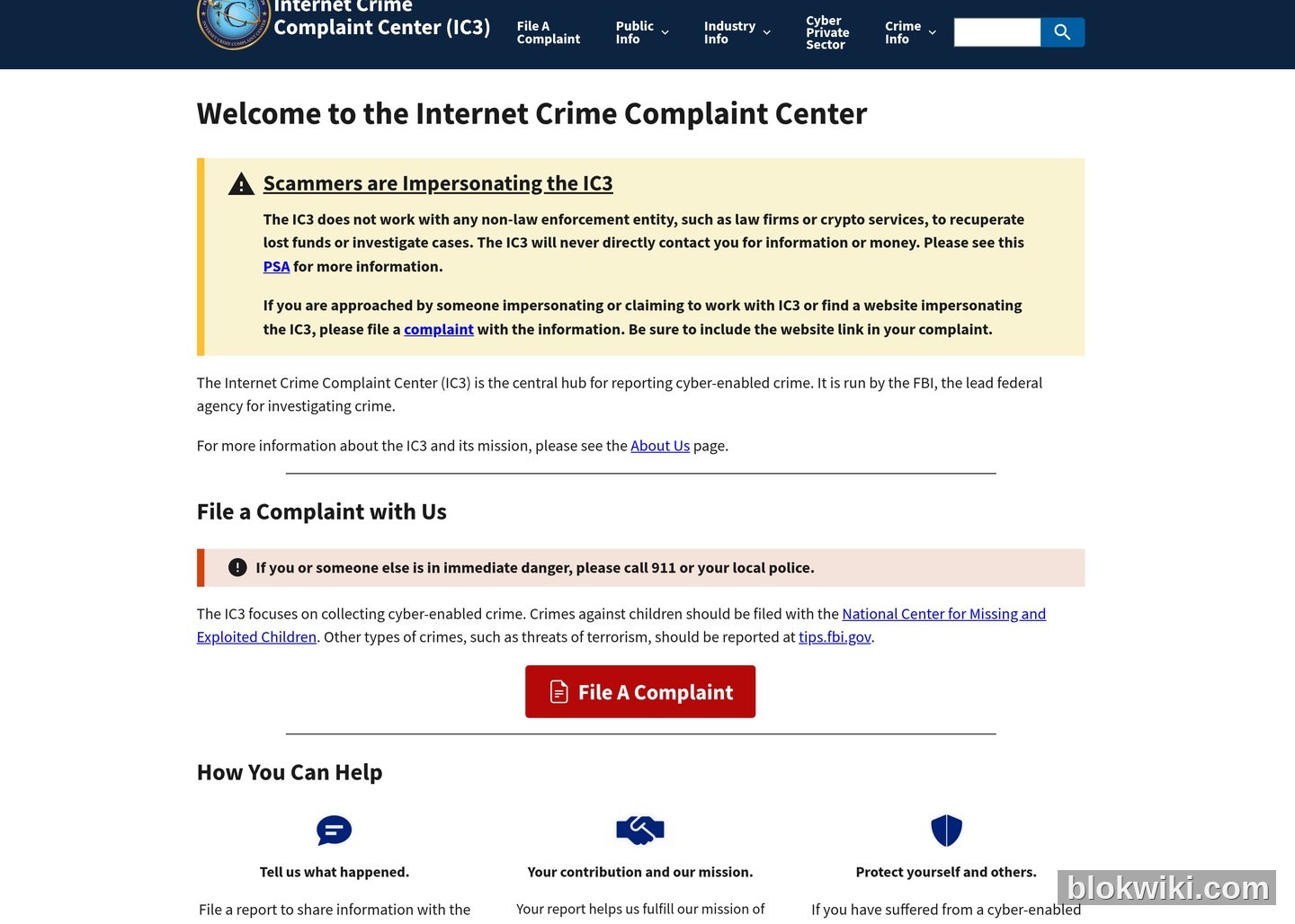
More importantly, IC3 allows anyone to submit crypto scam complaints online. Once submitted, your information enters the FBI system; even if you may not receive a direct reply, the volume of complaints influences law enforcement prioritization. In the Binance hack case, Tether used Chainalysis on-chain analysis + IC3's complaint database coordination to freeze approximately $1.567 billion in stolen assets.
URL: https://www.ic3.gov — submit complaints, view PSAs, download annual reports.
Tool 3: Chainalysis Crime Blog (On-Chain Crime Analysis)
Chainalysis is one of the world's largest crypto on-chain data firms, providing anti-fraud analysis to both law enforcement and exchanges. Its Blog homepage has a dedicated CRIME category, updated weekly with on-chain crime tracking, hacker fund flows, and Rug Pull statistics — on October 1 it published "How AI Helped Chainalysis Investigators Trace the $387 Million North Korea Stole from Bitget," and on September 9 it traced the $320 million Liquid Network hack.
Chainalysis's greatest value to everyday users isn't the technical analysis itself — it's helping you understand "what scams are active right now." If you hear about a "great opportunity" in a Telegram group, check the Chainalysis Blog first for recent similar Rug Pull / phishing cases.
URL: https://www.chainalysis.com/blog/ — filterable by CRIME / REGULATION / BASICS categories.
One-Minute Quick Verification Checklist
Whenever you encounter any crypto-related "good news" or "urgent notification," run through these checks in order:
- **Domain**: Search the official domain on Google / Bing, compare with the address you have — is there an extra or missing letter?
- **SEC / CFTC Registration**: SEC Investor Alerts + CFTC Consumer Protection to check if it's listed
- **Smart Contract**: If it's a new token, check BscScan / Etherscan for Owner permissions and liquidity lockup
- **Telegram / X Account**: Does the avatar show an official blue checkmark? Is the post history only "airdrop promotions"?
- **Wallet Authorization**: Before clicking MetaMask "Approve," check if the authorization amount is "unlimited"? If yes = scammer.
- **Law Enforcement Call**: Hang up — law enforcement never DM you asking for wallet addresses.
These six steps can all be completed within 60 seconds and filter out over 90% of crypto scams.
Risk Notice: Crypto assets are highly volatile and lack unified global regulation; any crypto transaction carries potential capital loss. All SEC / CFTC / FBI IC3 / Chainalysis information cited in this article is accurate as of October 30, 2026 — official alert content may be updated in real time; please refer to each agency's latest publication. All real cases and data sources cited can be traced back to public webpages. This article does not constitute investment advice; please verify local compliance requirements before engaging in crypto transactions. Any calls / DMs / emails involving law enforcement, fund recovery, or "regulatory investigation" are scams; legitimate law enforcement agencies do not contact regular users via encrypted social tools.